













































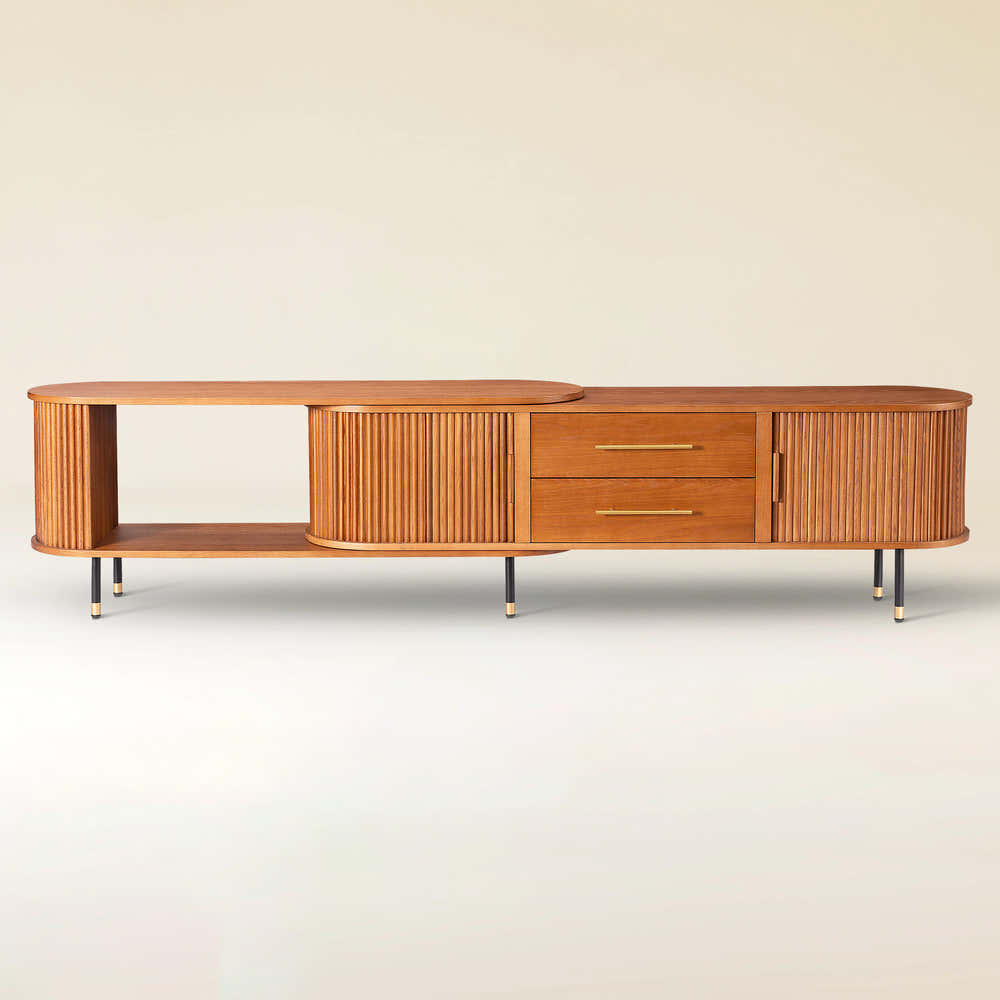

FSC FCOC47059 . FSC is dedicated to the promotion of responsible forest management
worldwide. By selecting this product, you help take care of the woorld's forests

UL-certified for indoor drying environments not directly exposed to excessive moisture or water;
Use in the United States and Canada.

Certified to Dry ETL electrical standard: suitable for use indoors in dry locations not directly exposed to excessive moisture and water
Use in the United States

CE-certified drying equipment compliant with electrical standards: Suitable for indoor drying environments not directly exposed to excessive moisture or water;
Tested for use in Europe, the UK, and other regions.


The support center has answers to questions you may have. You can also contact customer service in the support center if you can't find what you're looking for.
Support Center >
At houlte, we are committed to delivering quality, style, and great value to our customers. Our goal is to simplify your shopping experience by providing competitive prices and exceptional service.

If an item you purchased from houlte goes on sale on our website within 30 days of your purchase date, you may request a price match. This policy ensures you always receive the best value when shopping with us.
Houlte reserves the right to interpret and adjust the terms of the Price Match Policy as necessary.
Houlte has partnered with Taskrabbit to make your everyday life at home easier by connecting you with flexible and affordable ways to get your to-do’s done including furniture assembly and mounting.

1. Purchase your furniture at Houlte.
2. Check your order Dispatched and Delivered email and click the
Houlte link. You will be redirected to Taskrabbit's landing page.
3. Post your task on Taskrabbit platform.
4. Pick the best tasker to assemble your furniture.
Houlte has partnered with Taskrabbit to make your everyday life at home easier by connecting you with flexible and affordable ways to get your to-do’s done including furniture assembly and mounting.
Taskrabbit Assembly is available in most metro areas in the US. The availability of Taskers varies based on demand. When placing an order on Taskrabbit, you will need to enter your zip code. If the service is not supported in your area, you will not be able to place an order.
You can book assembly for your Houlte furniture as early as the next day after your delivery, and up to 14 days in advance, giving you flexibility to choose a time that works best for you.

Ready to use out of the box; minimal installation may be required (e.g., handles).

Main structure is pre-built; minor components require attachment (e.g., legs).

Assembly required; multiple parts must be assembled before use.
Our furniture is built with a combination of core boards, real wood veneers, and selected solid wood parts. Each material is used for a different purpose—structure, surface appearance, or visible strength—so the final piece feels balanced in performance, finish, and cost.
Core boards form the internal foundation of the furniture. They provide structure, stability, and efficiency across large surfaces and cabinet bodies.

Stable structural board

Smooth and consistent

Functional internal board
Selected solid wood parts are used where visible strength, tactile quality, and structural integrity matter most—such as legs, frames, trim, and exposed support details.

Durable and classic

Light and versatile

Premium and elevated
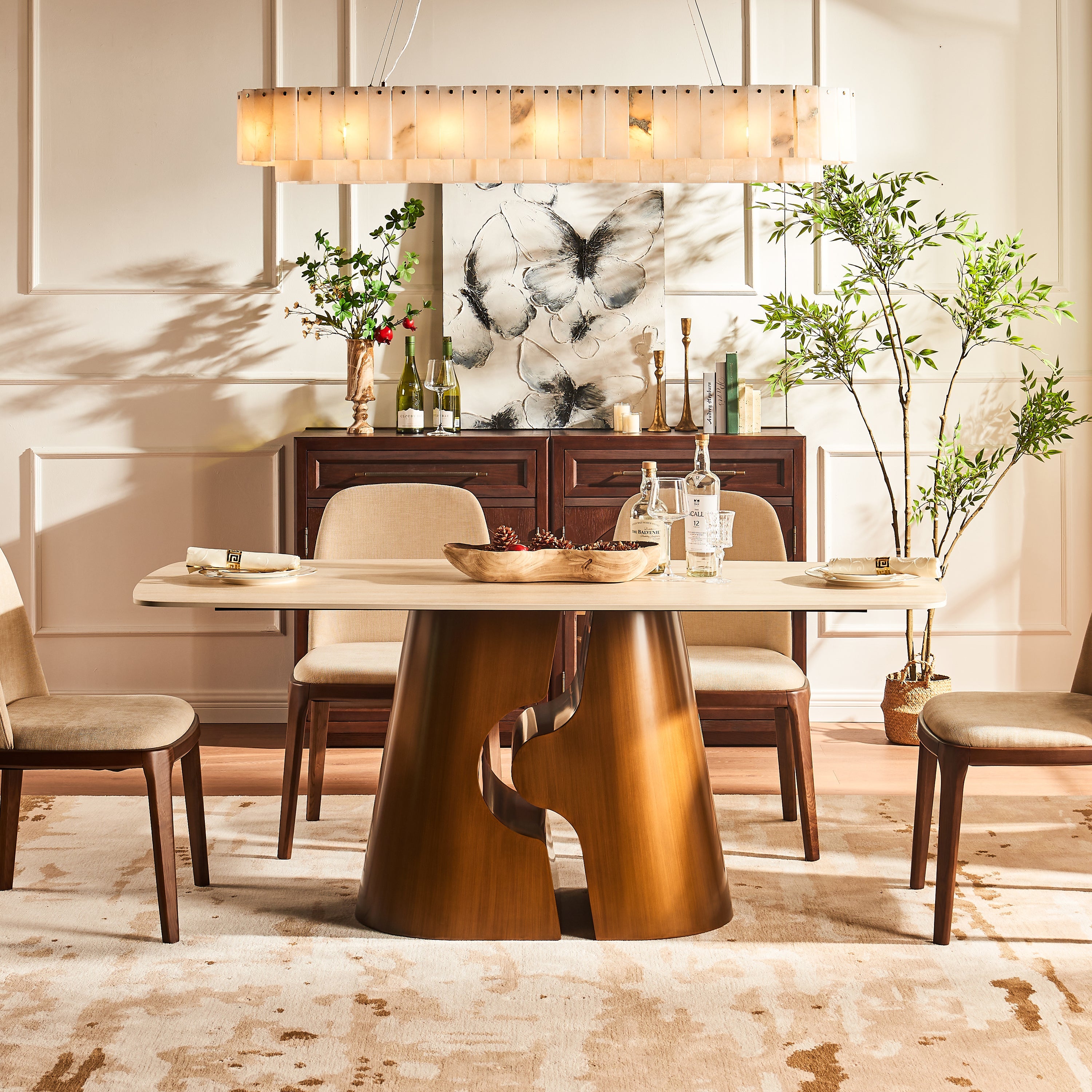
But when it comes to choosing the right rug, size matters more than almost anything else. A rug that is too small can make the dining table feel disconnected from the rest of the room. Worse, it can catch chair legs every time someone pulls out a seat.
A rug that is too large can overwhelm the room or make the layout feel heavy. The best dining room rug should frame the table beautifully while still giving every chair enough space to move comfortably.
Here is how to choose the right size for your dining room, whether you have a compact breakfast nook, a formal dining area, or an open-concept modern home.
Your dining room rug should extend at least 24 inches beyond each side of the table.
This gives chairs enough room to stay on the rug when pulled out. If your dining chairs are large, upholstered, or have arms, 30 inches of clearance can feel even more comfortable.
Before choosing a dining room rug, remember this simple rule: your rug should extend at least 24 inches beyond each side of the dining table.
This extra space allows dining chairs to stay on the rug when someone pulls them out to sit down. If the rug only covers the area directly under the table, the chairs may slide off the edge every time the room is used.
For a more spacious dining room, 30 inches of extra rug space on each side can feel even better, especially if your chairs are larger, upholstered, or have arms.
Use this chart as a starting point. The right choice depends on your table length, chair size, room shape, and how much space you have around the dining area.
| Dining Table Type | Recommended Rug Size | Best For |
|---|---|---|
| Small 4-seat table | 5' x 8' | Breakfast nooks and compact dining areas |
| Standard 4-6 seat table | 8' x 10' | Most everyday dining rooms |
| 6-8 seat dining table | 9' x 12' | Larger tables and formal dining spaces |
| Large dining table | 9' x 12' or larger | Open-concept or spacious dining rooms |
If you are between two rug sizes, it is usually better to size up. A slightly larger rug often looks more intentional and functions better than one that is just a little too small.
The easiest way to check whether a rug is large enough is to do the chair clearance test.
Pull each dining chair out as if someone were sitting down.
Measure the area covered by the table and the pulled-out chairs.
If the back chair legs fall outside the rug, the rug is too small.
This matters because dining rooms are active spaces. Chairs move in and out every day. A rug may look fine when all the chairs are tucked in, but the real test is how it works during a meal.
For the most comfortable layout, all four chair legs should remain on the rug, even when someone is seated.
In most dining rooms, a rectangular rug is the most practical choice. Rectangular rugs naturally follow the shape of most dining tables and rooms, creating a clean frame around the dining set.
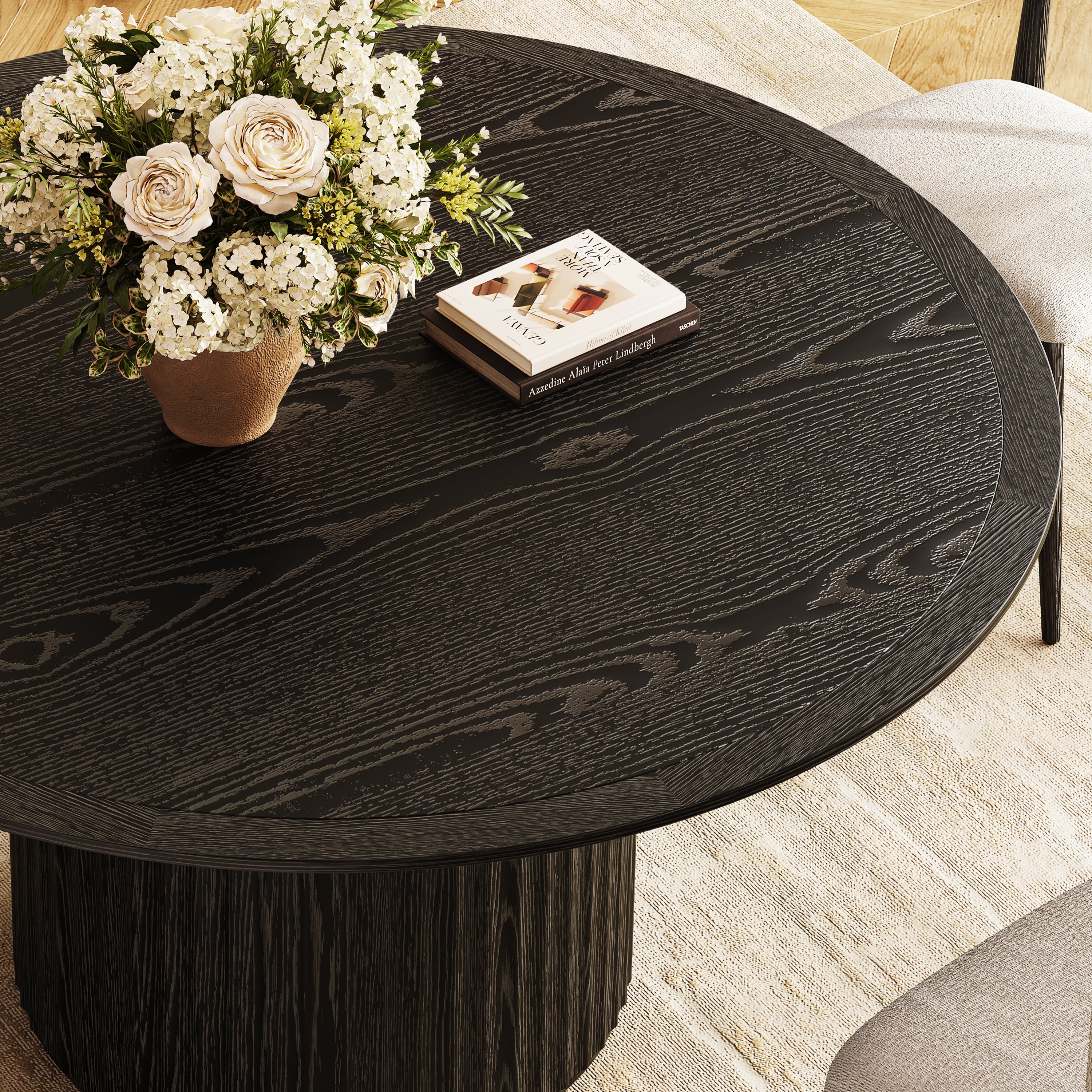
Round rugs can work beautifully under round dining tables, but rectangular rugs are usually easier to size and more versatile for modern homes.
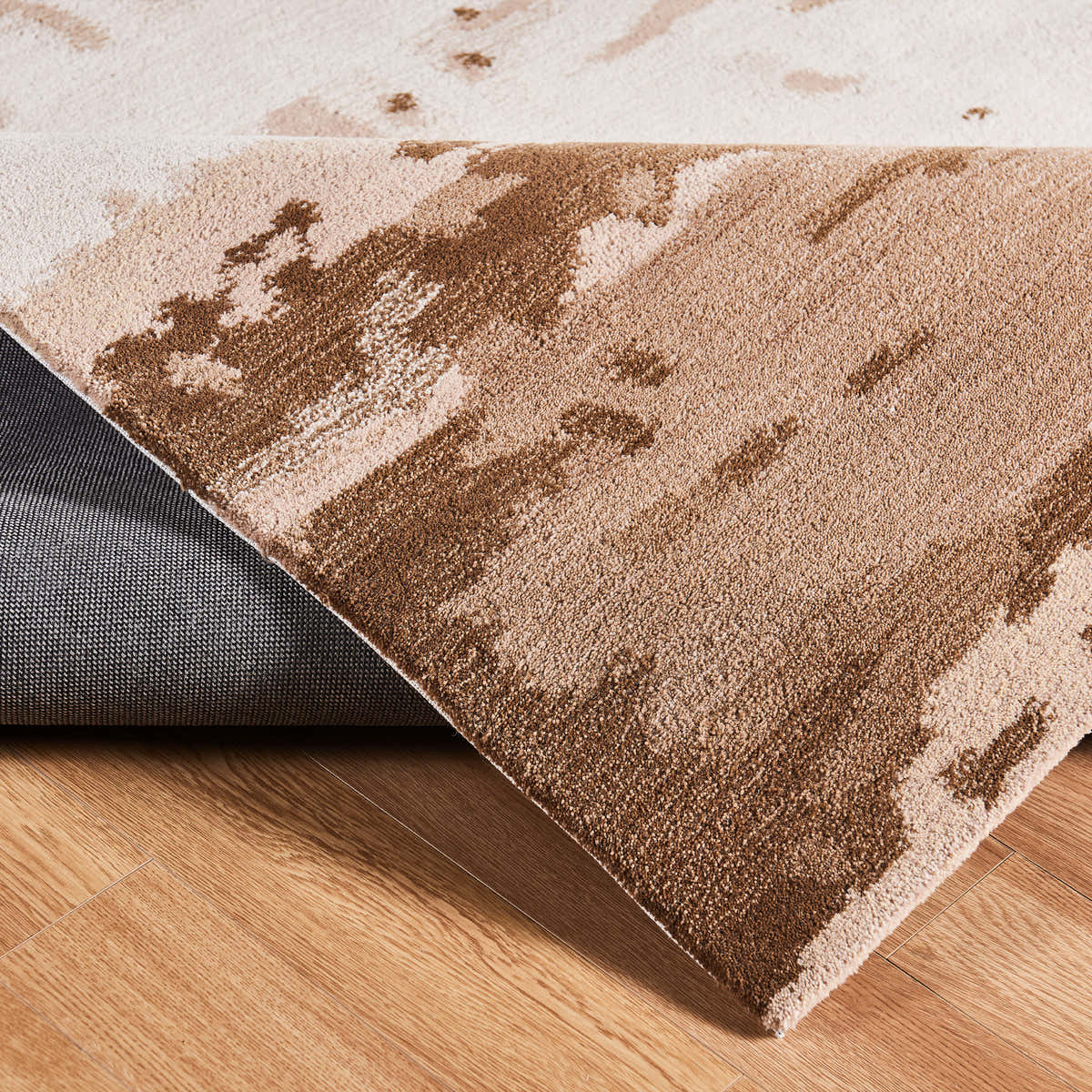
Dining rooms need rugs that are beautiful but practical. A thick, high-pile rug may look cozy, but it can make dining chairs harder to move and may trap crumbs more easily.
For dining rooms, low-pile rugs are usually a better choice. They allow chairs to slide more smoothly and are easier to maintain in a space where meals are served regularly.
If chairs fall off the rug when pulled out, the rug is not large enough.
Color matters, but size and function matter first in a dining room.
High-pile rugs can make chairs harder to slide and may be more difficult to clean around a dining table.
In an open-concept home, the rug should define the dining area while still leaving room for natural traffic flow.
The right dining room rug should balance size, comfort, and style. Start with your dining table, add at least 24 inches on each side for chair movement, and choose a low-pile rug that works for real daily use.
A 5' x 8' rug can work for smaller spaces, an 8' x 10' rug is ideal for many standard dining rooms, and a 9' x 12' rug is best for larger tables and open layouts. When the rug is properly sized, the dining room feels more grounded, more comfortable, and more complete.
A dining room rug should usually extend at least 24 inches beyond the table on all sides. This gives chairs enough room to stay on the rug when pulled out.
A 5' x 8' rug may work for a small 4-seat dining table or breakfast nook, but larger dining tables usually need an 8' x 10' or 9' x 12' rug.
Yes. An 8' x 10' rug is one of the most common and practical sizes for a 4-6 seat dining table.
Ideally, yes. All chair legs should remain on the rug, even when someone pulls the chair out to sit down.
It helps the whole room feel warmer, more balanced, and more thoughtfully designed.
Explore the Solene Rug →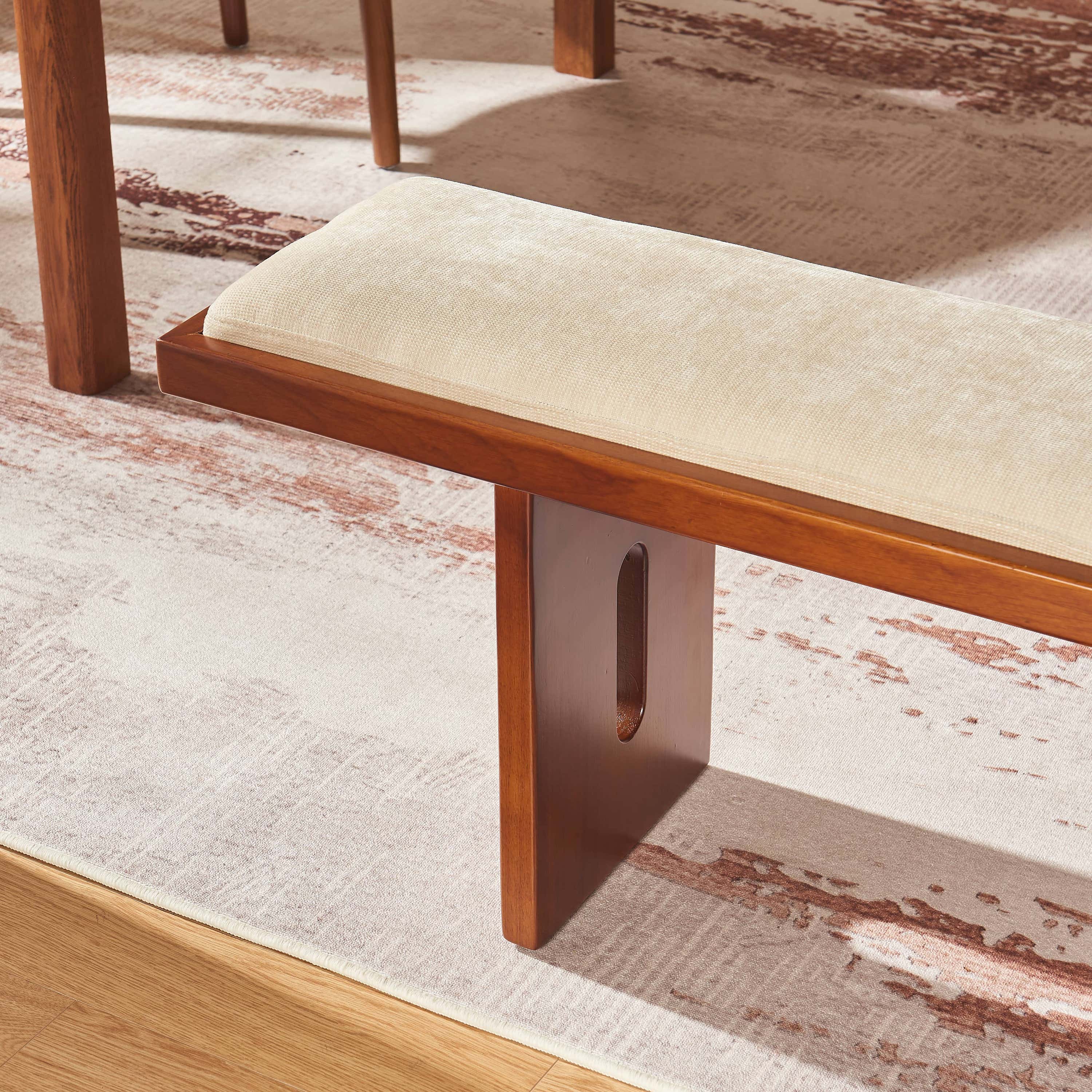


Share:
What Color Nightstands Pair Best with a Dark Wood Bed?
Rectangular Rugs vs Round Rugs: How to Choose the Right Shape for Your Home