










































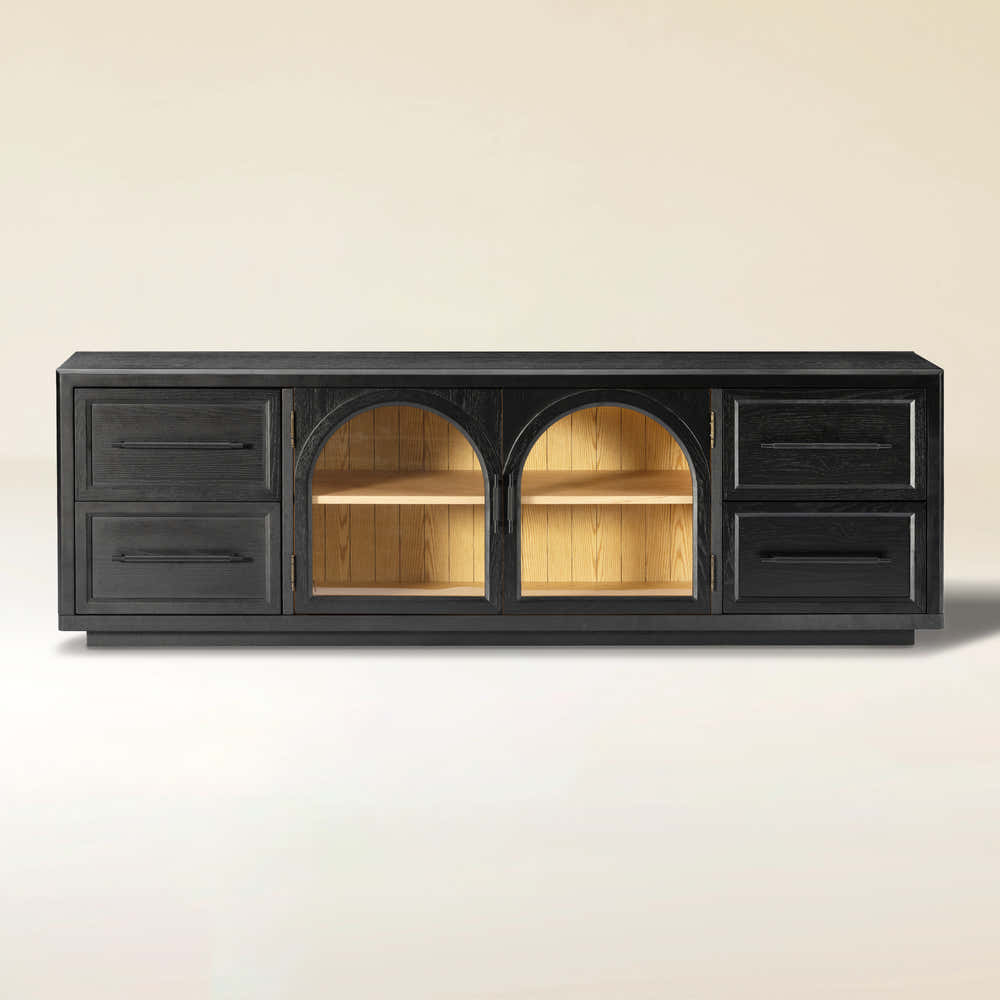
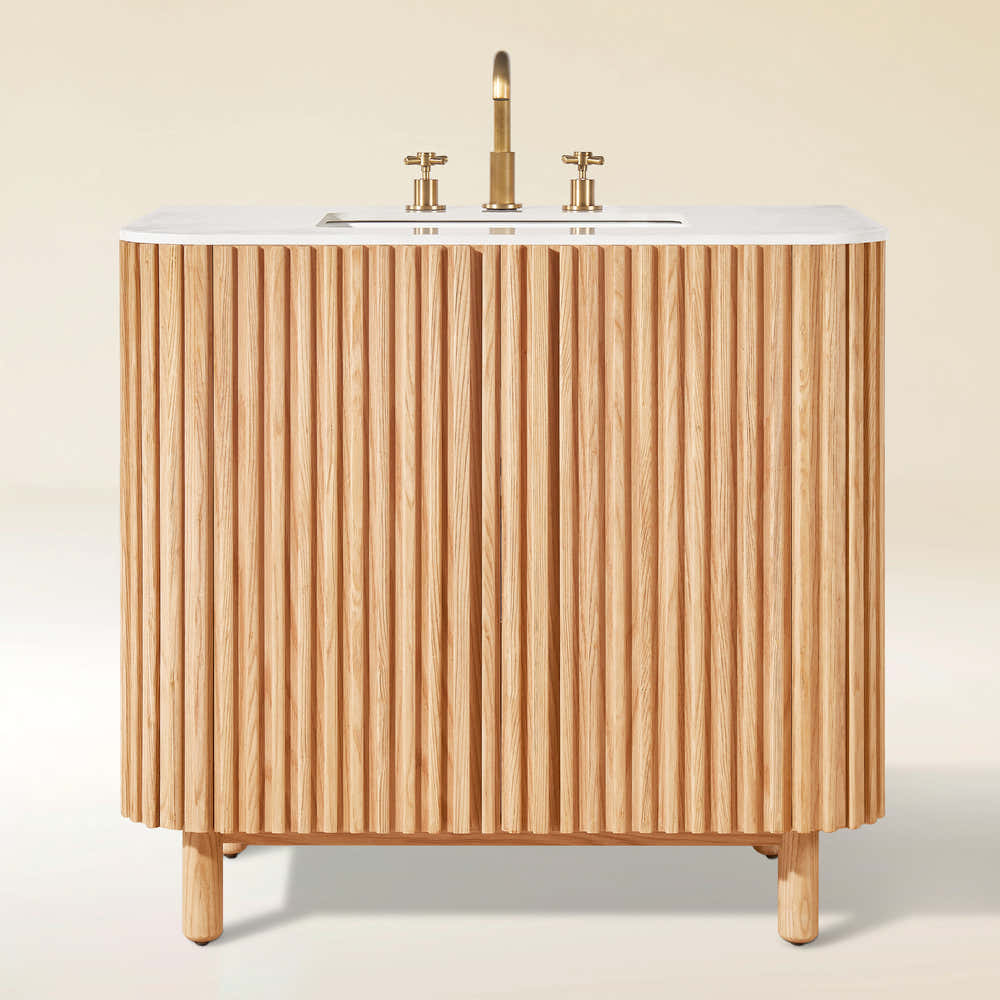

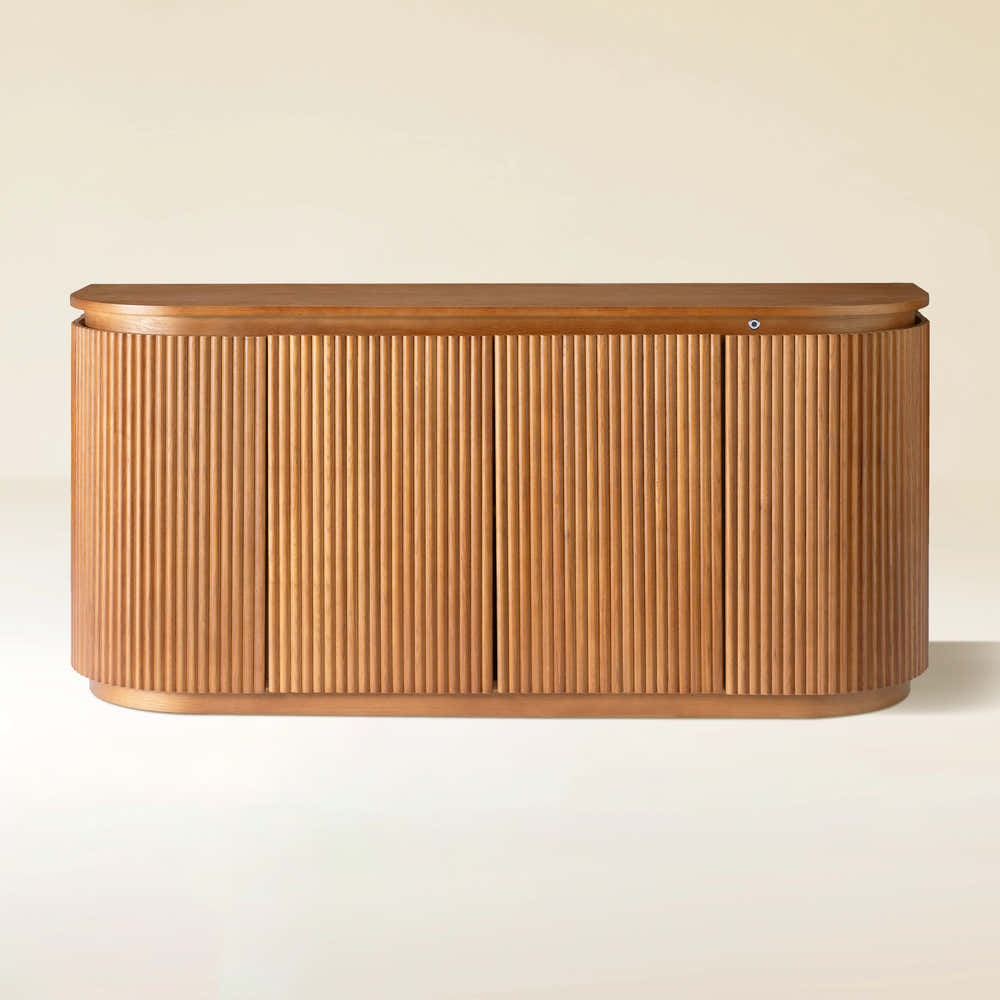
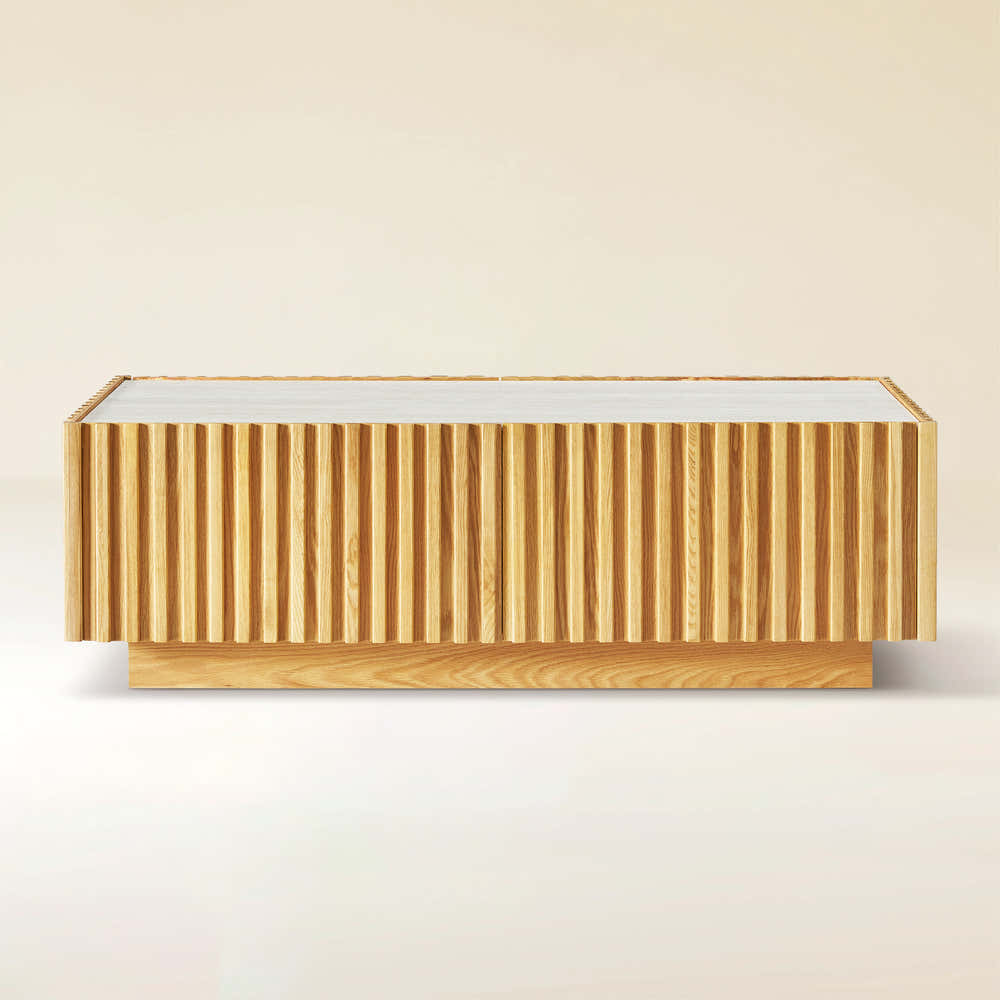



FSC FCOC47059 . FSC is dedicated to the promotion of responsible forest management
worldwide. By selecting this product, you help take care of the woorld's forests

UL-certified for indoor drying environments not directly exposed to excessive moisture or water;
Use in the United States and Canada.

Certified to Dry ETL electrical standard: suitable for use indoors in dry locations not directly exposed to excessive moisture and water
Use in the United States

CE-certified drying equipment compliant with electrical standards: Suitable for indoor drying environments not directly exposed to excessive moisture or water;
Tested for use in Europe, the UK, and other regions.


The support center has answers to questions you may have. You can also contact customer service in the support center if you can't find what you're looking for.
Support Center >
At houlte, we are committed to delivering quality, style, and great value to our customers. Our goal is to simplify your shopping experience by providing competitive prices and exceptional service.

If an item you purchased from houlte goes on sale on our website within 30 days of your purchase date, you may request a price match. This policy ensures you always receive the best value when shopping with us.
Houlte reserves the right to interpret and adjust the terms of the Price Match Policy as necessary.
Houlte has partnered with Taskrabbit to make your everyday life at home easier by connecting you with flexible and affordable ways to get your to-do’s done including furniture assembly and mounting.

1. Purchase your furniture at Houlte.
2. Check your order Dispatched and Delivered email and click the
Houlte link. You will be redirected to Taskrabbit's landing page.
3. Post your task on Taskrabbit platform.
4. Pick the best tasker to assemble your furniture.
Houlte has partnered with Taskrabbit to make your everyday life at home easier by connecting you with flexible and affordable ways to get your to-do’s done including furniture assembly and mounting.
Taskrabbit Assembly is available in most metro areas in the US. The availability of Taskers varies based on demand. When placing an order on Taskrabbit, you will need to enter your zip code. If the service is not supported in your area, you will not be able to place an order.
You can book assembly for your Houlte furniture as early as the next day after your delivery, and up to 14 days in advance, giving you flexibility to choose a time that works best for you.

Ready to use out of the box; minimal installation may be required (e.g., handles).

Main structure is pre-built; minor components require attachment (e.g., legs).

Assembly required; multiple parts must be assembled before use.
Our furniture is built with a combination of core boards, real wood veneers, and selected solid wood parts. Each material is used for a different purpose—structure, surface appearance, or visible strength—so the final piece feels balanced in performance, finish, and cost.
Core boards form the internal foundation of the furniture. They provide structure, stability, and efficiency across large surfaces and cabinet bodies.

Stable structural board

Smooth and consistent

Functional internal board
Selected solid wood parts are used where visible strength, tactile quality, and structural integrity matter most—such as legs, frames, trim, and exposed support details.

Durable and classic

Light and versatile

Premium and elevated
The dining table sits at the heart of every home — it is where families gather for meals, where friends share stories over food, and where memories are made. Given how central this piece of furniture is to daily life, choosing the right material matters enormously. For years, homeowners defaulted to solid wood or natural marble. But a new contender has taken the interior design world by storm: the sintered stone dining table. Combining the timeless beauty of natural stone with engineering-grade durability, sintered stone has rapidly become the preferred tabletop material for modern homes in 2025 and beyond.
If you are considering upgrading your dining room, this guide will walk you through everything — what sintered stone actually is, why it outperforms traditional materials, how to buy wisely, and which HOULTE models deserve serious consideration.

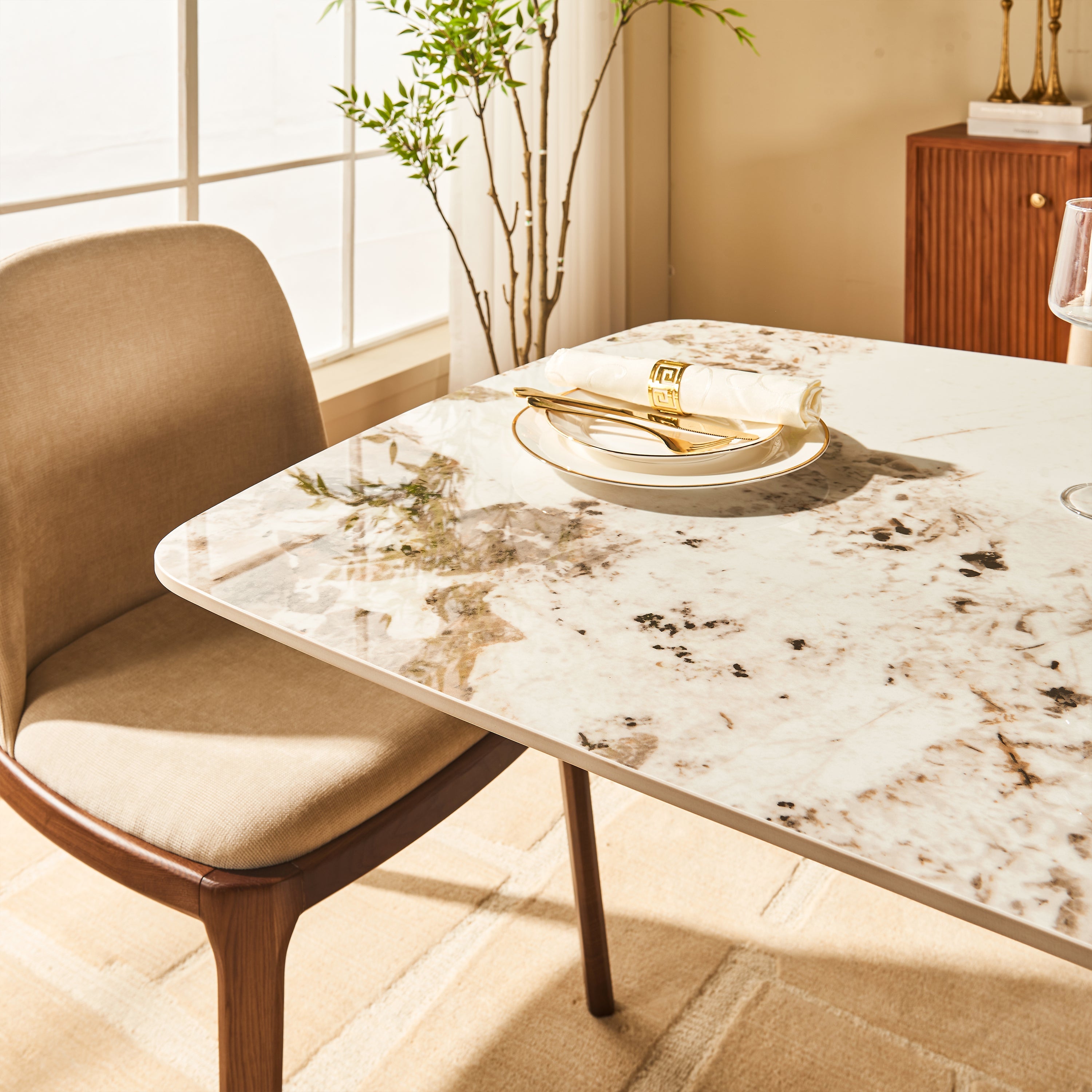
Sintered stone is an engineered surface material created by compressing natural minerals — including feldspar, silica, and clay — under extraordinarily high temperatures and pressures. This industrial process essentially replicates the geological forces that form natural stone deep within the Earth, but does so in a controlled manufacturing environment. The result is an ultra-compact, non-porous slab that is harder, denser, and more consistent than virtually any naturally occurring stone.
You may also encounter sintered stone under alternative names such as ultra-compact stone, porcelain slab, or simply engineered stone. Regardless of the label, the defining characteristics remain the same: extreme hardness (typically registering Mohs 9 on the hardness scale), near-zero porosity, and exceptional resistance to heat, scratches, and chemical staining. Unlike natural marble, whose patterns are unique to each quarried slab, sintered stone patterns are printed digitally, which means the aesthetic is highly consistent — a practical consideration if you are matching multiple pieces in a room.
Understanding why sintered stone has become so popular requires comparing it directly against its traditional rivals.
Natural marble is undeniably beautiful, with its organic veining and luxurious feel. However, marble is a calcium-based stone that reacts poorly to acidic substances. Wine, lemon juice, coffee, and even vinegar-based dressings can etch the surface permanently. Marble also scratches more easily than most homeowners expect and requires periodic sealing to prevent liquid absorption. The maintenance burden alone is enough to make many busy households reconsider.
Solid wood tables offer warmth and a sense of organic character, but they are vulnerable to moisture, warping over time, and surface staining. They require polishing, oiling, and protection from direct sunlight. High-quality hardwood tables can also carry a significant price premium.
Sintered stone tables sidestep nearly all of these drawbacks. They do not etch under acidic exposure, they do not absorb liquids, they do not warp or swell, and they can withstand temperatures up to 300°C (572°F) without damage. For households with children, frequent entertaining, or simply a desire for furniture that looks beautiful without demanding constant care, sintered stone is the most practical and cost-effective choice available today.
The growing popularity of sintered stone dining tables is not a trend driven by marketing alone — it is backed by tangible, real-world advantages that resonate deeply with modern lifestyles.
Exceptional Durability is perhaps the most compelling argument. Because sintered stone achieves a Mohs hardness of around 9 — just below diamond — it resists everyday scratches from cutlery, keys, and ceramic dishes with ease. It also resists chipping and impact damage far better than glass or standard ceramic surfaces. For households where the dining table doubles as a homework station, a craft table, or a workspace, this hardness is not a luxury but a necessity.
Heat Resistance means you can place a hot pot or pan directly onto the surface without causing damage or discoloration. While using trivets remains good practice for any surface, the peace of mind that a sintered stone table offers during a busy dinner party is genuinely invaluable.
Stain Resistance arises from the material's non-porous nature. Because there are no microscopic channels in the surface for liquids to penetrate, wine, sauce, oil, and coffee simply sit on top until wiped away. No sealing is required. No special cleaners are necessary. A damp cloth with mild soap is all it takes to restore the surface to its original condition.
Low Maintenance and Long Longevity means that a well-made sintered stone dining table is, effectively, a once-in-a-generation purchase. Unlike wood that shows its age or marble that accumulates etch marks, sintered stone retains its appearance with minimal effort over decades of daily use.
Aesthetic Versatility is another major advantage. Whether your interior style leans toward Scandinavian minimalism, industrial chic, contemporary luxury, or warm transitional, sintered stone is available in textures and finishes — matte, glossy, textured, wood-grain, marble-look, concrete-look — that can complement virtually any design language.
Shopping for a sintered stone dining table is a more nuanced process than it might first appear. The following factors should guide every purchasing decision.
1. Room Dimensions and Table Size
Before anything else, measure your dining room carefully. The general rule of thumb is to leave at least 90–100 cm (approximately 36–40 inches) of clearance on all sides of the table, giving seated guests comfortable room to push back their chairs. A table that fits perfectly on a floor plan but leaves insufficient circulation space will make the room feel cramped and awkward. Always account for the chairs when measuring — a table's footprint with chairs pulled out is significantly larger than the tabletop alone.
2. Shape: Round, Oval, or Rectangular?
The shape of your table has profound implications for how a room feels and functions. Round and oval tables are ideal for smaller or square-shaped dining rooms because they allow conversation to flow naturally in all directions and eliminate the visual hierarchy of "head of the table." They are also safer in tight spaces because there are no protruding corners. Rectangular tables, by contrast, are better suited to longer rooms and larger families, as they maximize seating capacity per square foot of floor space.
3. Seating Capacity
A common mistake is choosing a table based on your household's everyday headcount, only to find it inadequate for holiday gatherings or dinner parties. As a guideline, plan for approximately 60 cm (24 inches) of linear space per person. A 71-inch (180 cm) rectangular table comfortably seats 6; an 84-inch (213 cm) table works for 8; a 59-inch (150 cm) round table seats 6–8 depending on chair width.
4. Tabletop Thickness and Quality
Not all sintered stone is created equal. Look for tabletops that are at least 12 mm thick, as thinner slabs are more susceptible to cracking under point-load pressure. A quality sintered stone should have NSF certification or equivalent, confirming it is food-safe and manufactured to a recognized standard. The density of the stone directly correlates with its resistance to staining and wear — ask the retailer for material specifications if they are not listed clearly.
5. Base Material and Structural Integrity
The stone tabletop is only as good as the base that supports it. High-quality sintered stone dining tables typically use either industrial-grade carbon steel or powder-coated metal for the base, both of which provide the structural rigidity needed to support a heavy stone slab without flex or vibration. Bases made from low-grade alloys or hollow tubing may feel unstable over time. Inspect or inquire about leg thickness and joint quality before purchasing.
6. Finish and Interior Style Compatibility
Sintered stone dining tables are available with tabletop finishes ranging from polished high-gloss to matte and textured. Glossy surfaces reflect light beautifully and emphasize the pattern's depth, but they also show fingerprints and smudges more readily. Matte finishes are more forgiving in daily use and tend to lend a more contemporary, understated look. Consider your base and leg finish too — brushed gold, matte black, chrome, and natural oak are all popular choices that anchor a room's color palette differently.
7. Brand Credibility and Customer Reviews
Given that a dining table is a significant investment, purchasing from an established brand with verifiable customer reviews is strongly advisable. Look for brands that are transparent about their material specifications, offer clear return or warranty policies, and have a demonstrable track record of customer satisfaction. A table with dozens of 4- or 5-star reviews from verified buyers provides far more reassurance than one with polished product photography alone.
HOULTE is a contemporary furniture brand known for pairing high-performance materials with thoughtful, architecturally-inspired design. Their sintered stone dining table collection represents some of the most compelling value in the current market, with each model engineered to balance visual impact, practical durability, and spatial flexibility. Below is a detailed look at their standout offerings.
① HOULTE Marley Sintered Stone Dining Table — 84" Oval
The Marley Dining Table is HOULTE's flagship oval sintered stone table and one of the most well-reviewed pieces in the entire collection, with a 4.9-star rating from verified customers. Measuring 84 inches in length (213 cm), the Marley is designed to seat 6–8 people comfortably, making it the ideal centerpiece for medium-to-large dining rooms.

The tabletop is crafted from a 12 mm sintered stone slab with safely rounded edges, eliminating sharp corners while maintaining a sleek, refined silhouette. The oval form is particularly well-suited to households who want to maximize seating while keeping the table visually approachable and spatially generous. Available in a natural oak finish option, the Marley strikes a harmonious balance between the organic warmth of wood-toned elements and the cool sophistication of engineered stone.
The Marley's overall dimensions are 84" W × 45" D × 30" H, with a leg configuration that measures 35" W × 20" D × 28" H — proportions that anchor the table visually without overwhelming the room. This is the ideal choice for anyone who wants an heirloom-quality, statement dining table that performs as brilliantly as it looks.
👉 Best for: Medium-to-large dining rooms, families of 6–8, oval-table enthusiasts who value a high-review product.
② HOULTE Labarthe Round Sintered Stone Dining Table — 63"
The Labarthe Round Dining Table is a study in modern minimalism. At 63 inches in diameter, it is designed for households that want both generous seating capacity and the inclusive, democratic conversation flow that only a round table can offer. The smooth sintered stone tile tabletop is paired with a base that is as sculptural as it is functional — the design is engineered to "catch the eye" without dominating the room.

The Labarthe series also extends into an extendable rectangular variant (63"–95"), making it an excellent choice for buyers who want flexibility between everyday intimacy and larger entertaining configurations. The consistent design language across the series makes it easy to build a cohesive dining space.
👉 Best for: Open-plan living spaces, social households who entertain frequently, minimalist interiors, or anyone who values the round table format.
③ HOULTE Synergy Sintered Stone Dining Table — 71"
The Synergy Dining Table takes a more sculptural approach to dining furniture design. At 71 inches in length and with a seating capacity of 4–6 people, the Synergy combines a sintered stone tabletop with metal legs in a configuration that HOULTE describes as combining "sculptural artistry with exceptional durability." The result is a table that functions as both furniture and art object — a conversation-starting centerpiece available in a Snow White Engineered Stone finish that brings a crisp, contemporary energy to any dining room.
The Synergy is well-suited to households that want a moderately-sized table with a distinctive design presence, particularly in spaces with clean lines and monochromatic or neutral color schemes.
👉 Best for: Modern and contemporary interiors, households of 4–6, design-forward buyers who want their dining table to double as a sculptural focal point.
④ HOULTE Koda Rectangular Sintered Stone Dining Table — 71"
The Koda Dining Table is where industrial design meets premium material engineering. Featuring a high-performance sintered stone tabletop paired with an industrial-grade carbon steel base, the Koda is built to seat 6–8 people across its 71-inch rectangular footprint. Partial assembly is required (tabletop and base), making delivery and installation more manageable.
The carbon steel base gives the Koda a confident, industrial aesthetic without crossing into the overly utilitarian. It is the kind of table that looks equally at home in a sleek urban loft and a modern suburban dining room, and its robust materials mean it will withstand the demands of a busy household with ease. The X-shaped or trestle-style base design common to this size class provides excellent stability while keeping the visual weight of the base light and dynamic.
👉 Best for: Industrial, loft-style, or modern interiors; households who need seating for 6–8; buyers who prioritize structural robustness alongside aesthetic appeal.
⑤ HOULTE Aurelia Sintered Stone Dining Table — 59"
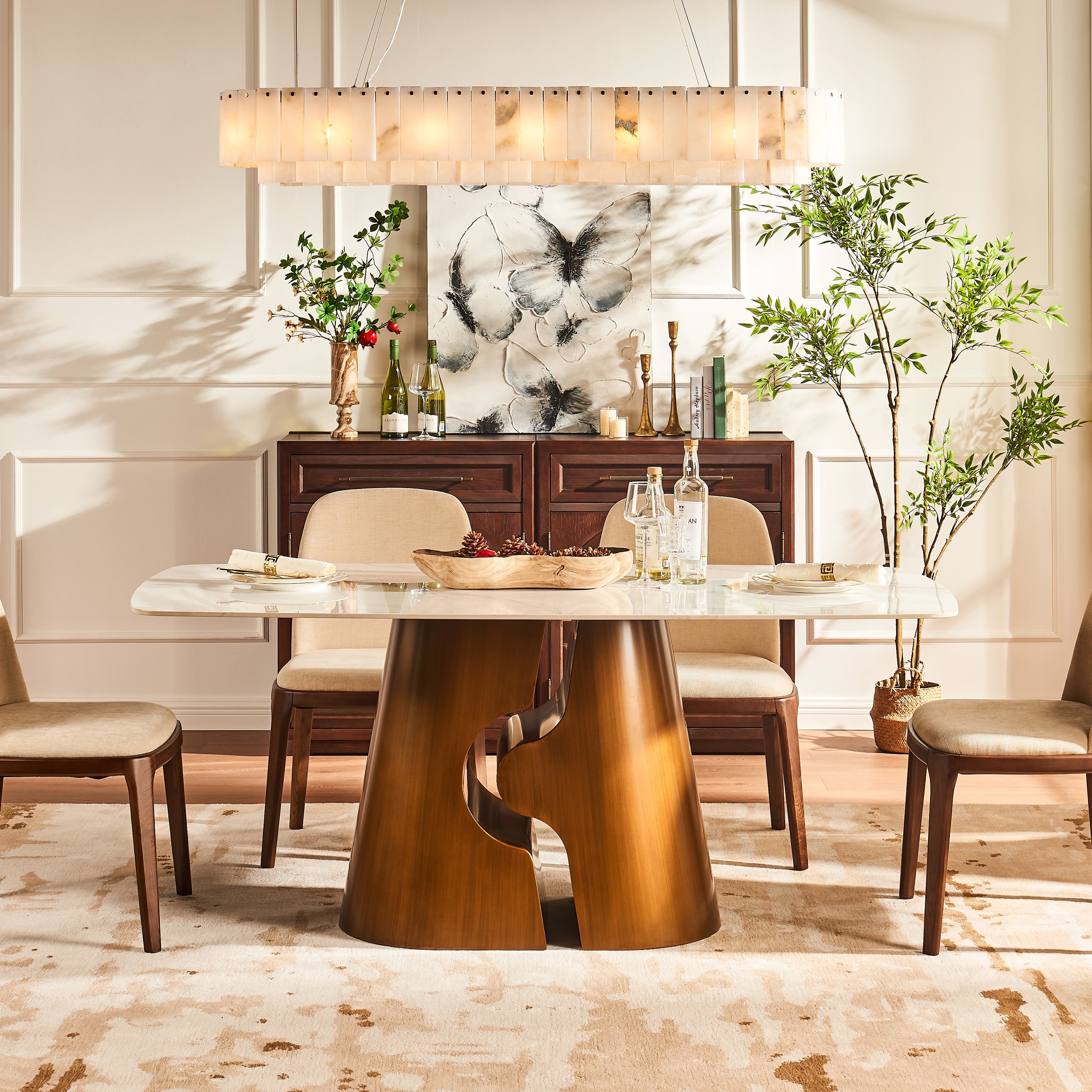
The Aurelia Dining Table is one of HOULTE's most distinctive offerings — a table that pairs a sintered stone top with a sculptural carbon steel base in a design that is simultaneously modern and timeless. At 59 inches, the Aurelia seats up to 8 people in a round or compact configuration, and notably features a built-in Lazy Susan — a rotating platform at the center of the table that allows diners to share dishes effortlessly without reaching across one another.

This feature makes the Aurelia an especially thoughtful choice for families who share dishes family-style, or for households with an appreciation for convivial, communal dining. HOULTE describes the design as combining "sculptural artistry with exceptional durability," and the Aurelia's base design — with its flowing, organic curves — delivers genuine visual drama.
👉 Best for: Families who dine family-style, smaller dining rooms needing a round format with shared-dish functionality, buyers who want a designer-quality table with standout features.
⑥ HOULTE Lyra Sintered Stone Round Dining Table — 59"
The Lyra Dining Table rounds out the collection with a 59" round configuration available in an Alabaster White finish, measuring 59" W × 59" D × 29.9" H. The Lyra is a clean, elegant, and approachable design that works beautifully in transitional and contemporary interiors alike.

Its relatively lower profile (29.9" height) gives it a slightly more casual, relaxed seating feel compared to standard 30" tables, which some households find more comfortable for extended meals. The Alabaster White finish is warm and inviting without being stark, making it an excellent complement to both white and warm-toned interior schemes.
👉 Best for: Transitional and contemporary interiors, households of 4–6, buyers who prefer a clean, unfussy round table that will adapt to evolving décor over time.
How to Care for Your Sintered Stone Dining Table
One of the great joys of owning a sintered stone dining table is how little effort it demands in return for years of beautiful performance. Daily cleaning requires nothing more than a soft cloth or sponge, warm water, and mild dish soap. Because the surface is non-porous, spills do not penetrate — simply wipe them away promptly to prevent residue buildup.
For tougher messes such as dried food or grease, a gentle household cleaner applied with a non-abrasive cloth will restore the surface without scratching. Avoid harsh chemical cleaners, abrasive sponges, or bleach-based products, as these can dull a polished finish over time. Unlike marble or wood, sintered stone does not require periodic sealing, oiling, or specialist treatment — the factory finish is permanent.
While sintered stone is highly heat-resistant, placing trivets or heat pads under extremely hot cookware remains a best practice, as thermal shock from dramatic, sudden temperature changes can theoretically stress any material. Equally, although sintered stone resists scratches exceptionally well, using placemats and coasters during everyday dining helps preserve the surface's pristine appearance for longer.
Is sintered stone the same as porcelain? Sintered stone and porcelain share a similar manufacturing process, but sintered stone typically uses a broader mineral composition and is fired under higher pressures, resulting in greater thickness, density, and structural integrity. For dining table applications, sintered stone is generally the superior choice.
Can sintered stone crack? While sintered stone is extremely resistant to everyday impacts, it can crack under sharp, concentrated point-load force — for example, if a heavy object is dropped on an edge or corner. Tables with 12 mm or thicker slabs and quality edge finishing significantly reduce this risk.
Is sintered stone food-safe? Yes. High-quality sintered stone is non-porous, non-toxic, and does not harbor bacteria. Many products carry NSF certification confirming food-safety standards. HOULTE's sintered stone products are designed with food-safe surfaces appropriate for dining use.
How long does a sintered stone dining table last? With normal use and minimal care, a high-quality sintered stone dining table can last for decades. The material does not deteriorate, warp, or stain in the way that wood or marble eventually will, making it one of the most durable long-term investments in home furnishing.
Final Verdict: Is a Sintered Stone Dining Table Worth It?
For the overwhelming majority of modern households, the answer is an unequivocal yes. Sintered stone delivers a combination of durability, beauty, and practicality that no traditional material can fully match. It absorbs the chaos of family life without complaint — resisting the spills, the heat, the scratches, and the everyday wear that gradually diminishes lesser tables — while maintaining the elegant, upscale appearance of natural stone.
HOULTE's dining table collection represents a particularly compelling entry point into the category. Whether you are drawn to the statement-scale elegance of the Marley Oval, the social functionality of the Aurelia with its built-in Lazy Susan, the industrial edge of the Koda, or the minimalist purity of the Lyra, there is a HOULTE sintered stone table designed to anchor your dining room with precisely the character your home deserves.
Invest once. Enjoy for decades.
Explore the full HOULTE sintered stone dining table collection at houlte.com and find the table that transforms your dining room into the heart of your home.


Share:
Sintered Stone vs. Oak Dining Tables: The Ultimate 2026 Buying Guide
What is FSC Certified Furniture? The Ultimate Guide to Sustainable Home Design