












































Lumens Calculator: How Much Light Do You Really Need?
Stop guessing at wattages. Enter your room details and instantly get the exact lumens required — based on IES professional lighting standards.
Lumens — not watts — are the correct measure of brightness. Watts tell you how much energy a bulb consumes. Lumens tell you how much light it actually produces. This free calculator applies the same IES lumen method that professional lighting designers use on every residential project.
⚡ Room Lumens Calculator — Powered by IES Standards
Step 1 — Select Your Room Type
← Please select a room type above before calculating
Living Room
10–20 fc
Bedroom
10–20 fc
Kitchen
30–40 fc
Dining Room
30–40 fc
Bathroom
70–80 fc
Home Office
50–70 fc
Hallway / Foyer
5–10 fc
Garage / Workshop
50–75 fc
Step 2 — Room Dimensions
Step 3 — Adjustments
✦ Your Lighting Recommendation ✦
Min. Lumens—Comfortable level
Recommended—Ideal brightness
Bright / Task—High activity
Bulbs Needed—× 800 lm LED each
How your total is calculated
Base (sqft × fc)
—
Ceiling adj.
—
Wall color adj.
—
Age adj.
—
💡 Color Temp Tip:
📐 Formula:

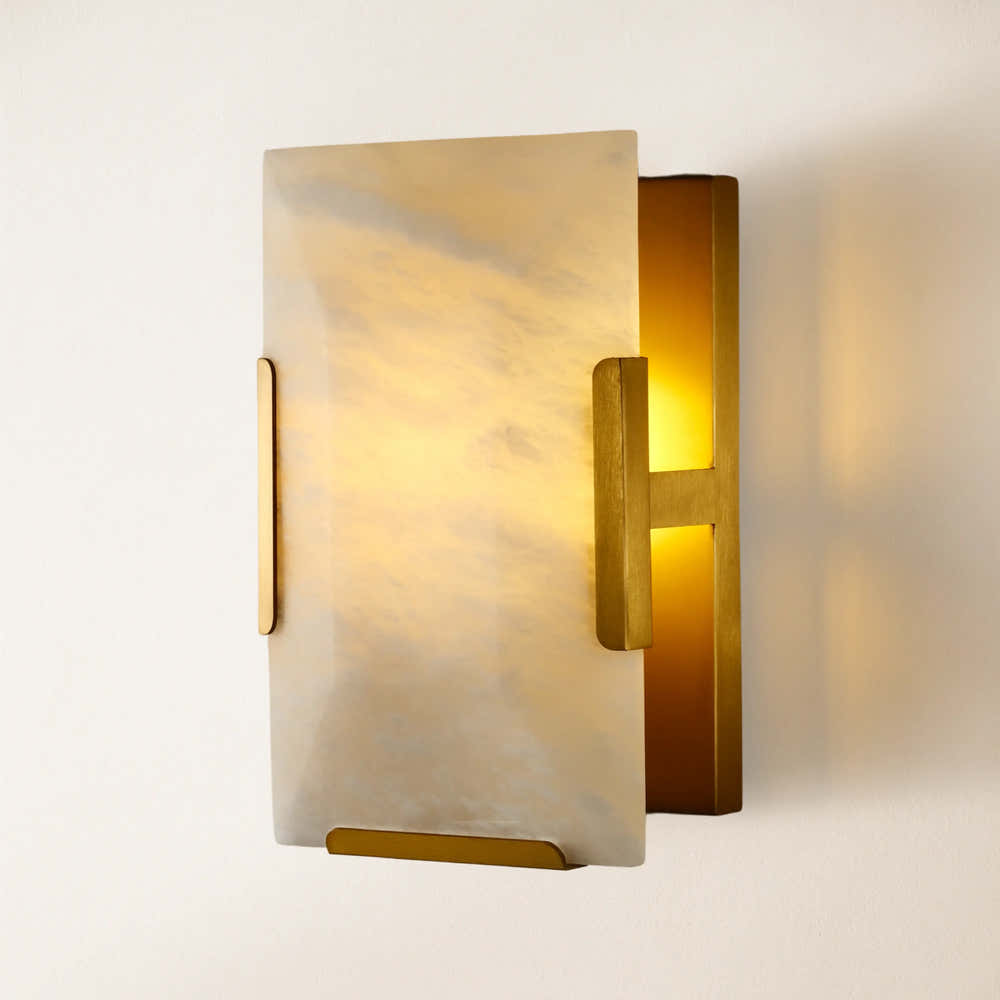
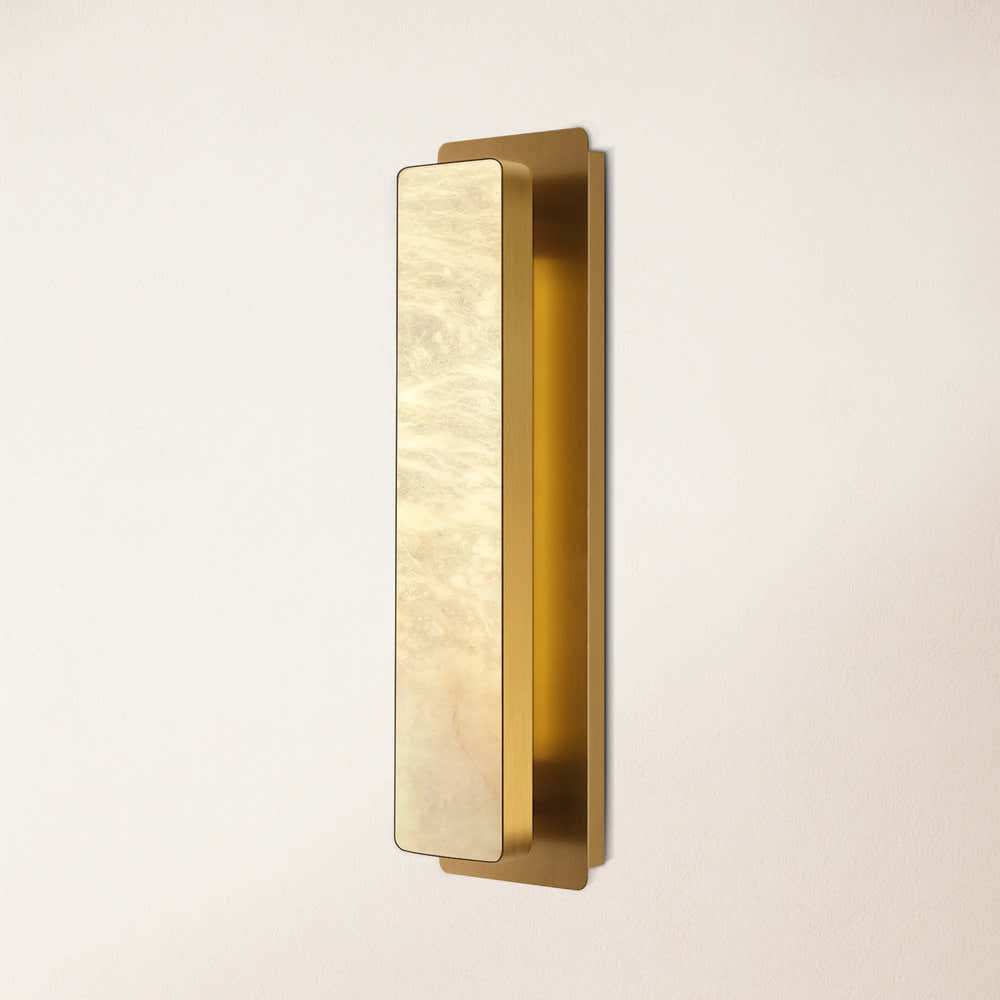
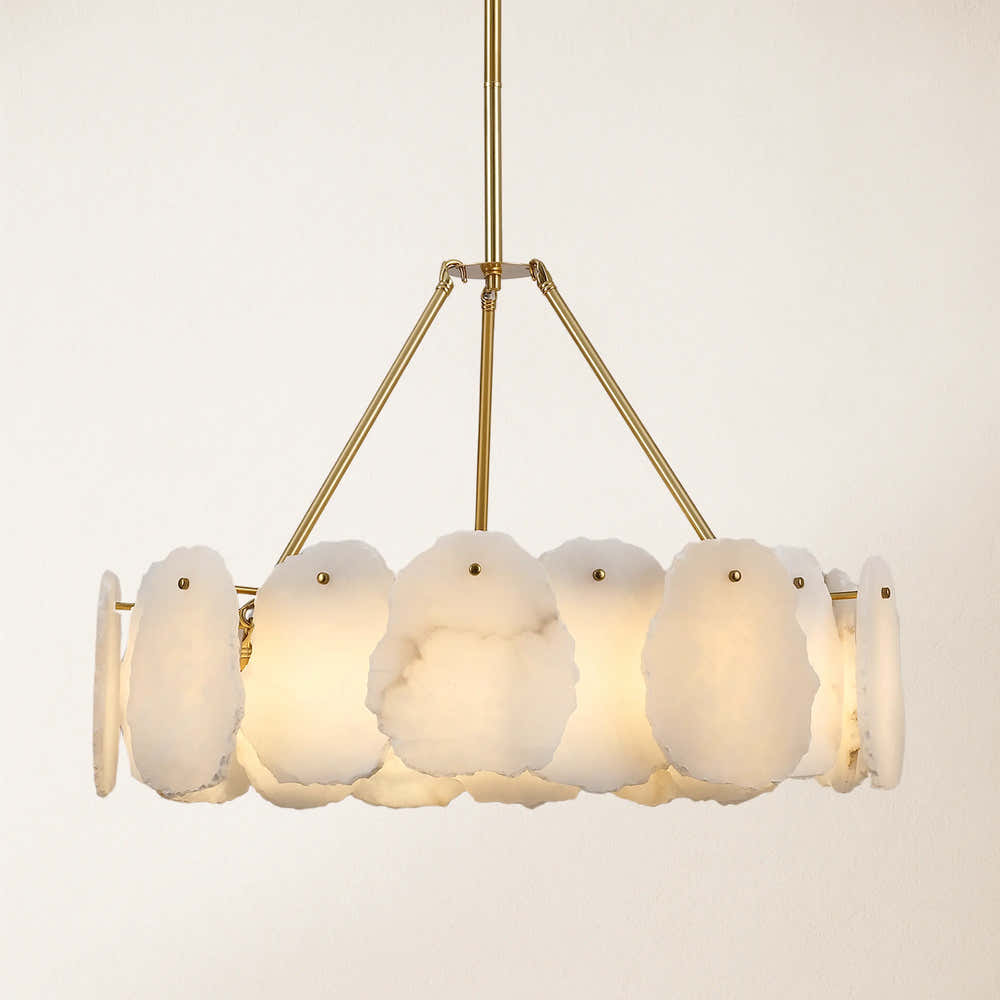
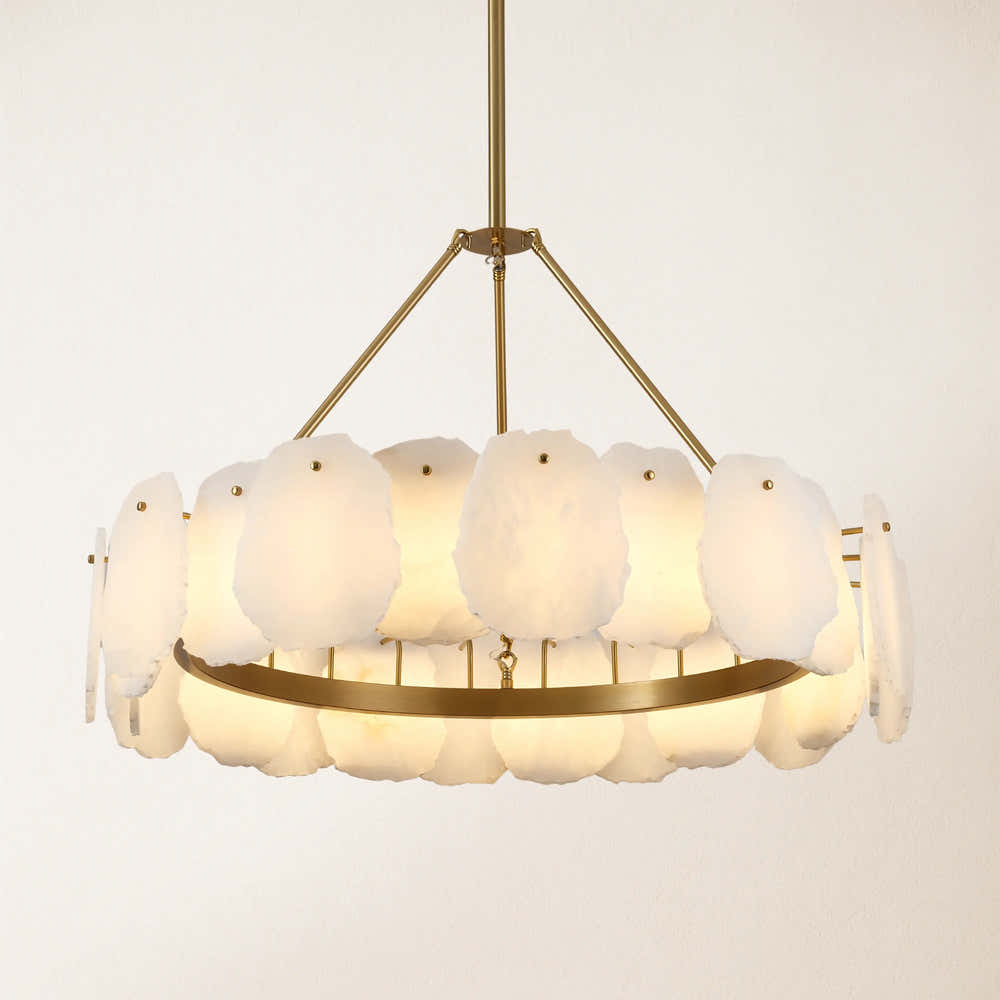
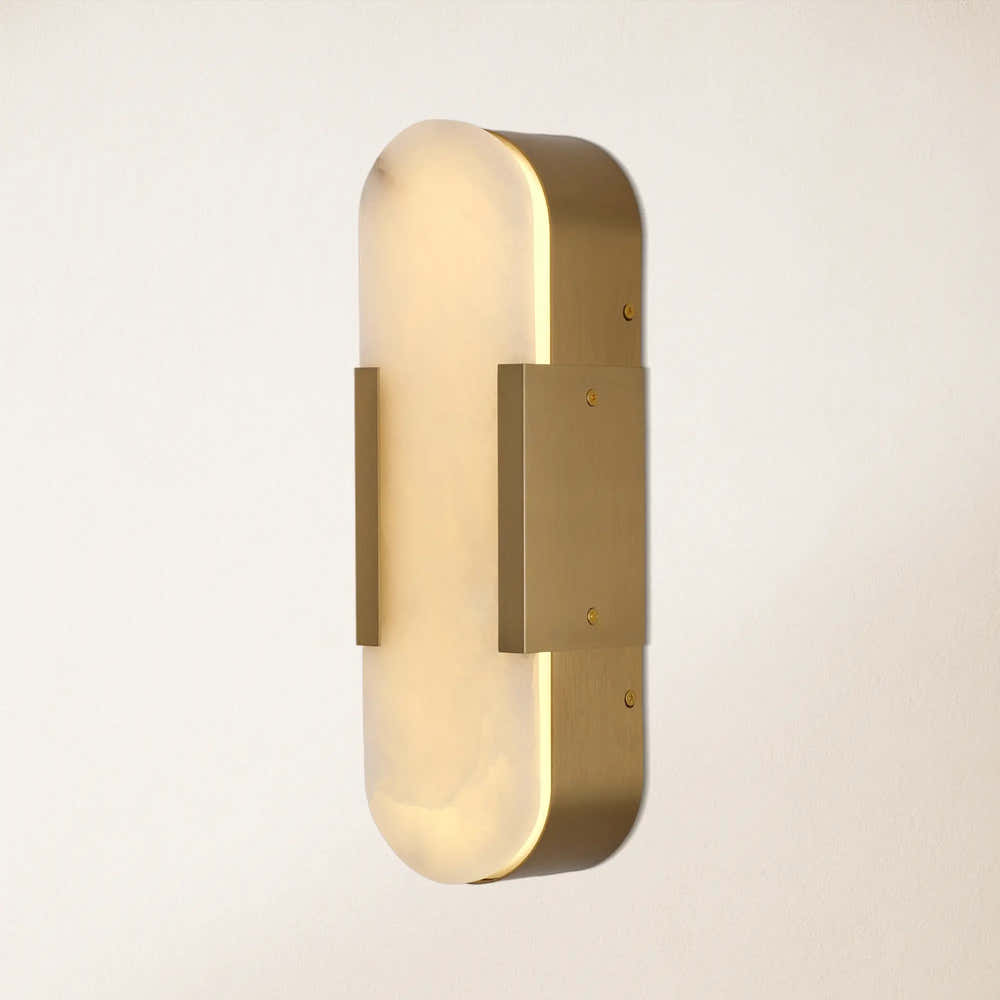
✦ Shop the Collection
Now You Know the Lumens — Find the Right Fixture
Every Houlte fixture is spec'd with lumen output so you can match it precisely to your calculator result.
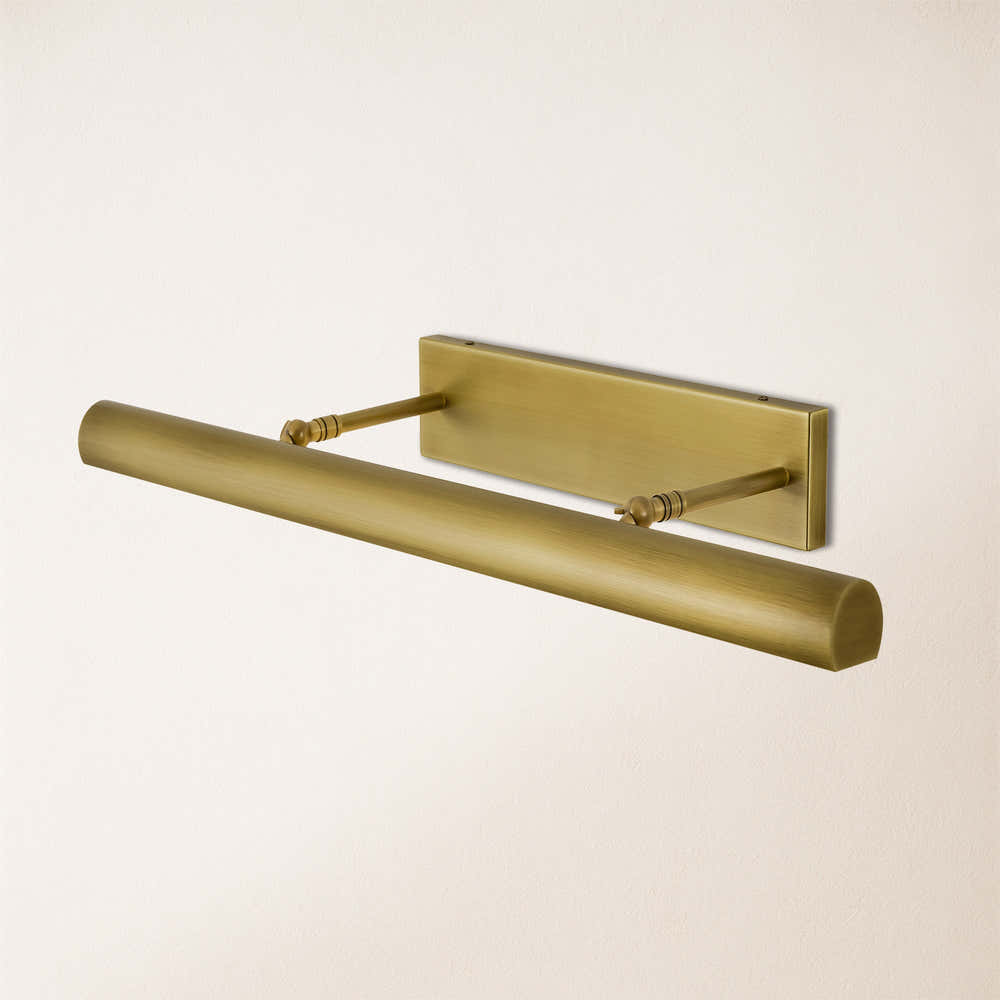
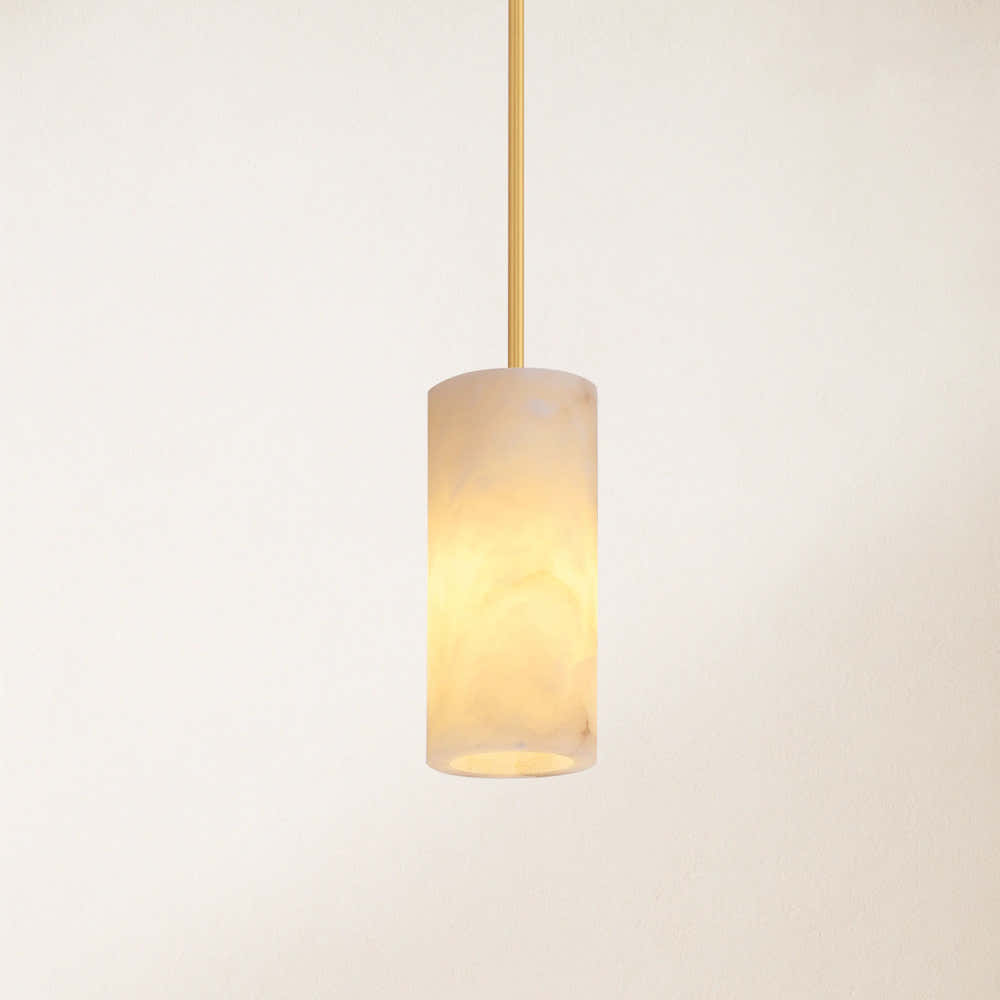
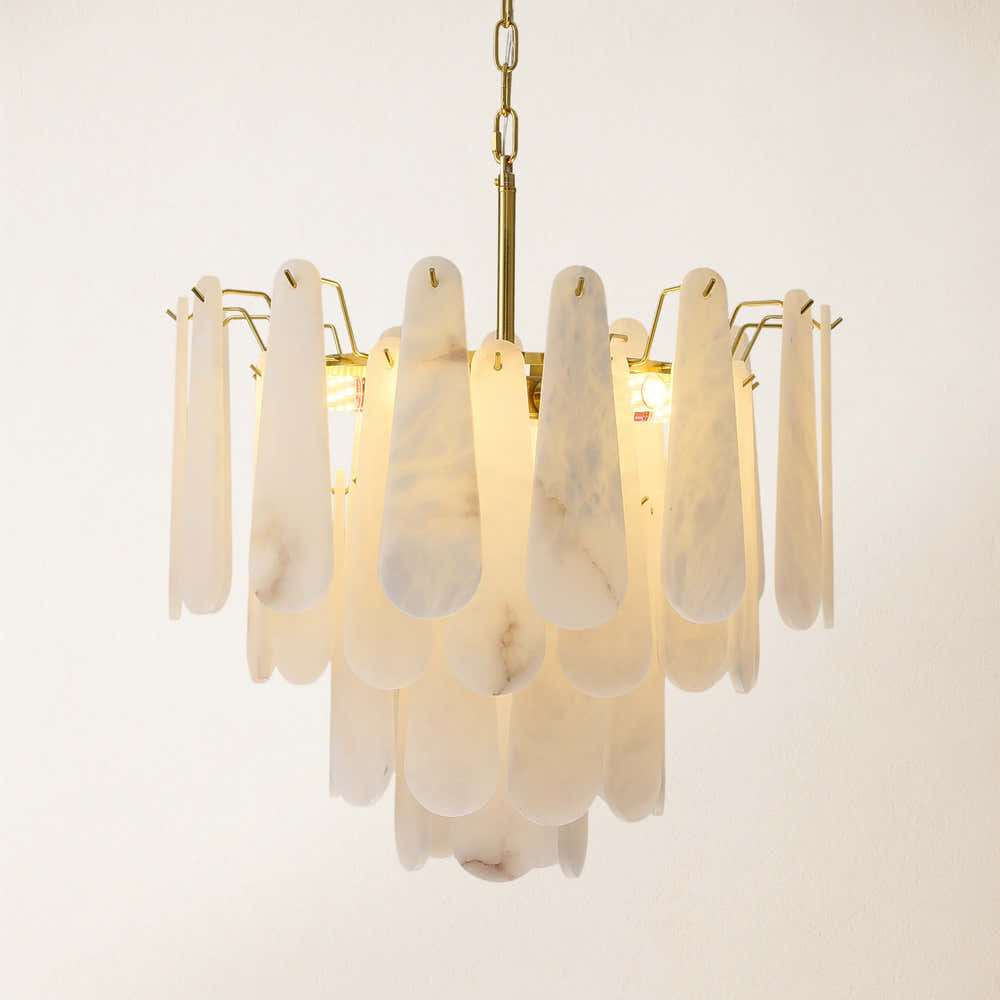
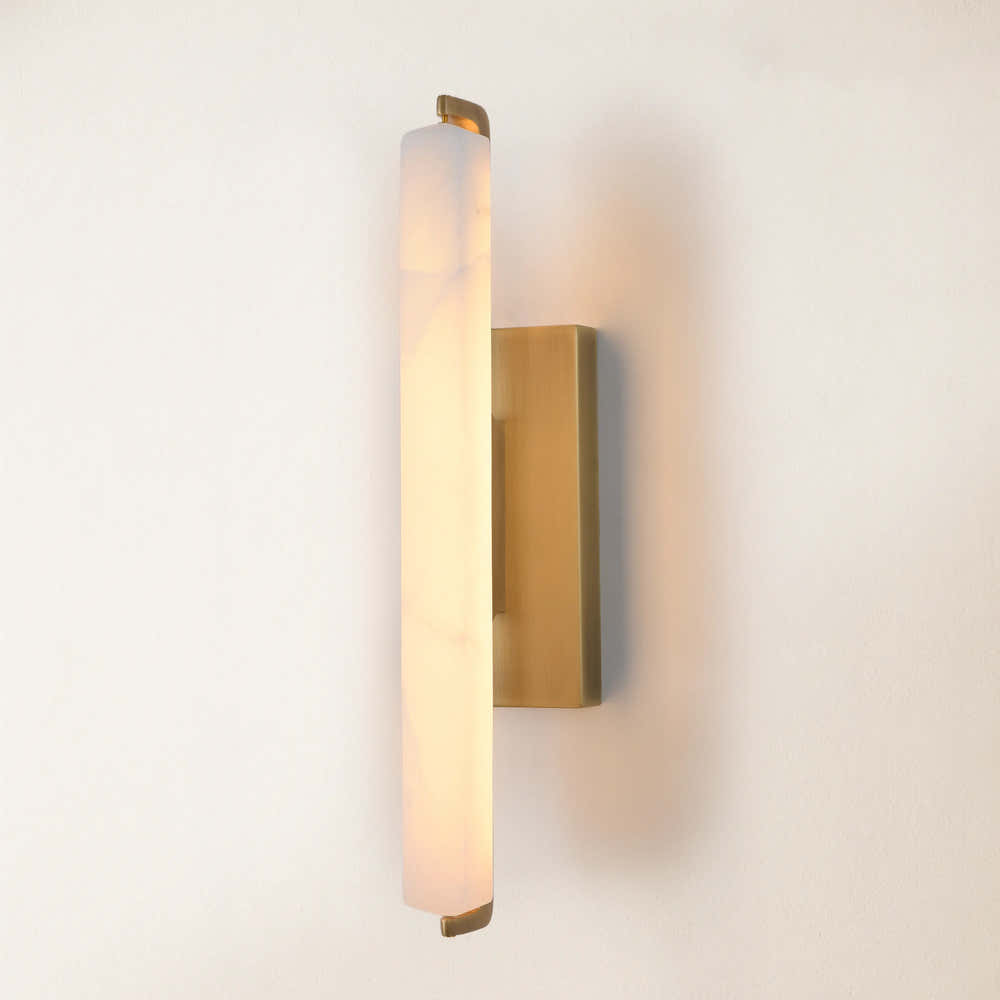
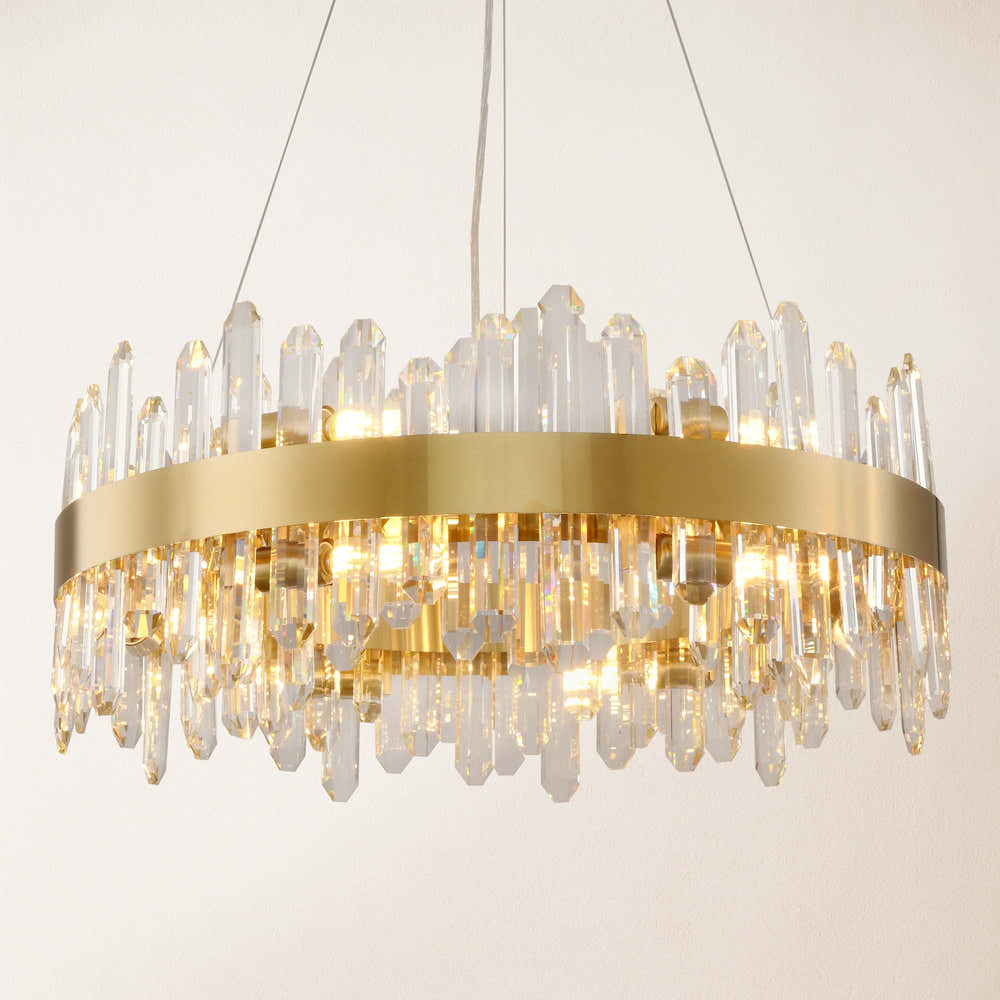
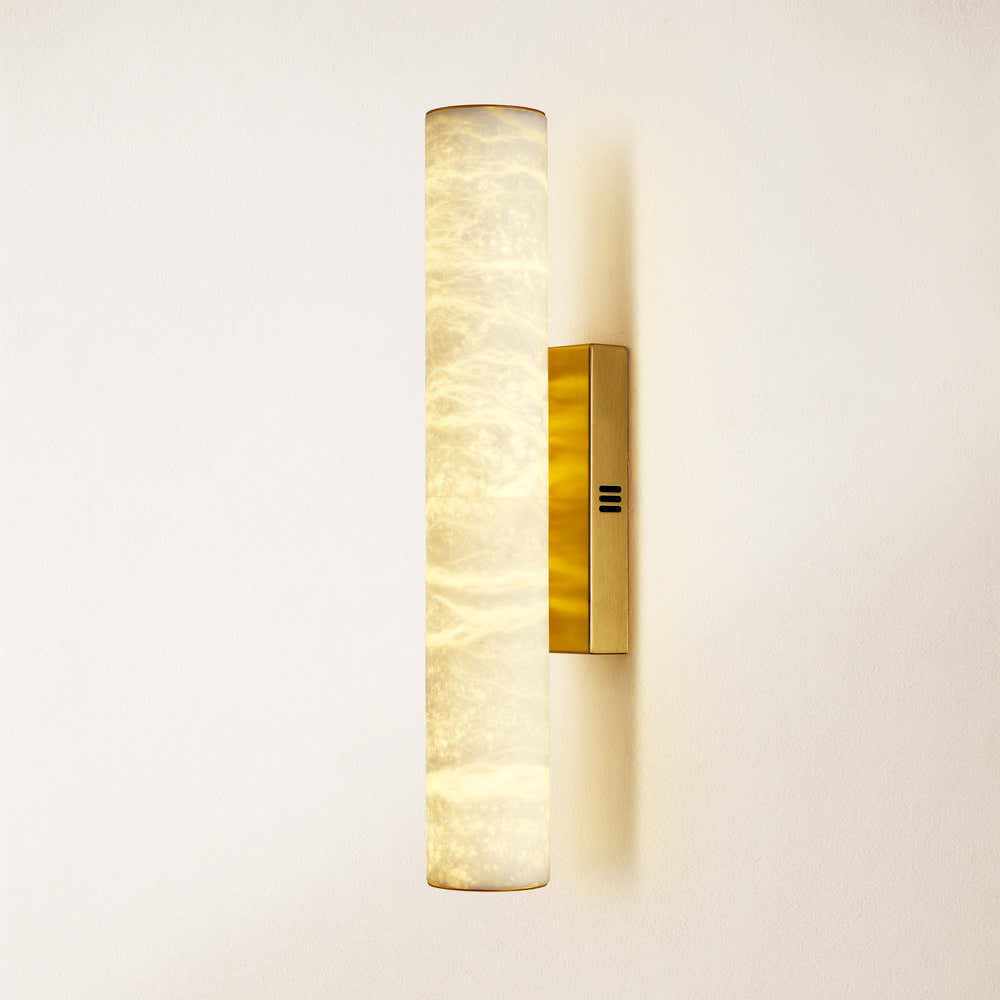
- Chandeliers, pendants, sconces & flush mounts
- Warm 2700K–3000K options for living & bedroom
- Bright 3500K–4000K options for kitchen & office
- Dimmable LED compatible — adjust to any mood
- Free shipping · Easy returns · Expert support
What Are Lumens? (And Why Watts No Longer Matter)
For most of the 20th century, shoppers chose bulbs by wattage. Watts became shorthand for brightness — but they always measured energy consumption, not light output. When LED bulbs arrived — producing the same brightness at a fraction of the wattage — that shorthand collapsed entirely. Lumens are the correct unit. One lumen is the amount of visible light emitted by a single candle over one square foot at one foot of distance. A standard 60W incandescent produces ~800 lumens. A modern 8W LED produces the same ~800 lumens at 87% less energy. Always choose by lumens.
The IES Lumen Method: How Professionals Calculate Light
The Illuminating Engineering Society (IES) — the largest body of professional lighting designers — publishes recommended footcandle levels for every room type based on decades of human-factors research. The lumen method applies these to your room size to produce a reliable total lumen target.
Total Lumens = Square Footage × Footcandles × Ceiling Factor × Wall Color Factor × Age Factor
Example: 180 sq ft living room, 9 ft ceiling, light walls, under 45 → 180 × 15 × 1.12 × 1.0 × 1.0 = ~3,024 lumens
Example: 180 sq ft living room, 9 ft ceiling, light walls, under 45 → 180 × 15 × 1.12 × 1.0 × 1.0 = ~3,024 lumens
Room-by-Room Lumens Reference Chart
| Room | IES Footcandles | Lumens / sq ft | 150 sq ft example | Color Temp |
|---|---|---|---|---|
| 🛋️ Living Room | 10–20 fc | 10–20 | 1,500–3,000 lm | 2700K–3000K |
| 🛏️ Bedroom | 10–20 fc | 10–20 | 1,500–3,000 lm | 2700K |
| 🍳 Kitchen — General | 30–40 fc | 30–40 | 4,500–6,000 lm | 3000K–4000K |
| 🍳 Kitchen — Stove/Sink | 70–80 fc | 70–80 | 10,500–12,000 lm | 3500K–4000K |
| 🍽️ Dining Room | 30–40 fc | 30–40 | 4,500–6,000 lm | 2700K–3000K |
| 🚿 Bathroom | 70–80 fc | 70–80 | 10,500–12,000 lm | 3000K–3500K |
| 💻 Home Office | 50–70 fc | 50–70 | 7,500–10,500 lm | 3500K–4000K |
| 🚪 Hallway / Foyer | 5–10 fc | 5–10 | 750–1,500 lm | 2700K–3000K |
| 🔧 Garage / Workshop | 50–75 fc | 50–75 | 7,500–11,250 lm | 4000K–5000K |
How Ceiling Height Changes Your Lumen Needs
The lumen method assumes a standard 8-foot ceiling. Taller ceilings spread light over a larger cone before it reaches the floor, reducing illuminance at task level. For every foot above 8 ft, add approximately 10–15% more lumens. A 12-foot ceiling requires roughly 50–60% more lumens than an 8-foot ceiling of the same floor area — a critical consideration when choosing chandeliers for two-story foyers or open-plan living spaces.
Wall Color: The Hidden Multiplier
- White / very light walls — reflect light back into the room. No adjustment needed.
- Medium tones (beige, soft gray, sage) — absorb ~20% of light. Multiply lumens × 1.25.
- Dark bold colors (navy, forest green, terracotta) — absorb significantly. Multiply × 1.5–1.6.
- Very dark / near-black walls — your fixtures work twice as hard. Multiply × 2.0.
Color Temperature: 2700K vs 3000K vs 4000K
2700K
3000K
3500K
4000K
5000K
6500K
← Warm / CozyNeutral →Cool / Daylight →
2700K mimics incandescent warmth — ideal for living rooms, bedrooms, dining rooms, and foyers. 3000K is slightly crisper but still warm — perfect for kitchens and bathrooms. 4000K is energizing and task-focused — best for home offices, workshops, and garages. Avoid 4000K+ in bedrooms; the blue-shifted light suppresses melatonin and makes sleep harder.
Layered Lighting: Why One Fixture Is Never Enough
- Ambient lighting — the base layer. Chandeliers, flush mounts, recessed downlights. Delivers ~60–70% of total lumens across the whole room.
- Task lighting — focused and brighter. Under-cabinet lights, reading lamps, vanity lights. Delivers ~20–30% in targeted zones.
- Accent lighting — drama and depth. Picture lights, shelf lighting, uplights. The remaining ~10% that makes a room feel designed.
The calculator measures your ambient layer. Plan task and accent sources on top of that total, not instead of it.
💡 Designer Rule of Thumb
Always install dimmers on your ambient circuit. One fixture can cover every mood and activity from bright task work to candlelit evenings — without buying multiple lights.
Lumens to Watts Conversion Reference
| Lumens | LED (modern) | CFL | Incandescent | Best use |
|---|---|---|---|---|
| 450 lm | 4–5W | 8–9W | 40W | Accent, night lights |
| 800 lm | 8–10W | 13–15W | 60W | Bedrooms, hallways |
| 1,100 lm | 11–13W | 18–20W | 75W | Living rooms |
| 1,600 lm | 14–17W | 23–26W | 100W | Kitchens, offices |
| 2,600 lm | 22–25W | 30–35W | 150W | High-ceiling spaces |
Frequently Asked Questions
Multiply your room's square footage by the IES footcandle requirement for that room type, then adjust for ceiling height, wall color, and age. A 150 sq ft living room with an 8 ft ceiling and light walls needs approximately 1,500–3,000 lumens. The calculator above handles all adjustments automatically.
Watts measure energy consumption. Lumens measure light output. They are not interchangeable — a 10W LED produces ~800 lumens, the same as a 60W incandescent bulb. Always select bulbs and fixtures by their lumen specification, never by wattage alone.
Use 2700K warm white for living rooms and bedrooms. It creates a cozy, relaxing atmosphere similar to candlelight, is flattering to skin tones, and supports natural melatonin production for sleep. Avoid 4000K+ in these spaces — the cooler light is energizing rather than restful.
Higher ceilings spread light over a larger area before it reaches the floor, reducing effective illuminance. Add approximately 10–15% more lumens for every foot above 8 ft. A 12-foot ceiling requires 50–60% more lumens than an 8-foot ceiling for the same floor area and brightness target.
General ambient kitchen lighting needs 30–40 lumens per square foot. Task areas — stove, sink, countertops — need 70–80 lumens per square foot. A 200 sq ft kitchen needs approximately 6,000–8,000 lumens for ambient light, plus additional under-cabinet or pendant task lights over work surfaces.
Divide your total required lumens by the output of a single bulb. A standard LED bulb produces approximately 800 lumens. If your room needs 2,400 lumens, you need 3 × 800 lm bulbs — or one chandelier/fixture with 3+ sockets. The calculator provides this bulb count automatically in the results.
Final Thoughts
The lumen method removes guesswork from lighting entirely. Start with the calculator, apply the adjustments for your ceiling height and wall color, and arrive at a number that professional designers would recognize as correct. From there, choose fixtures at that lumen output in the right color temperature, layer your ambient, task, and accent sources, and install dimmers. That combination produces lighting you feel without being able to articulate exactly why the room just works.
Updated 2025 · Based on IES Residential Lighting Standards


Share:
Pendant Light Size Calculator – Find the Perfect Fit
Watts to Lumens Calculator — Free Tool + Lighting Guide