






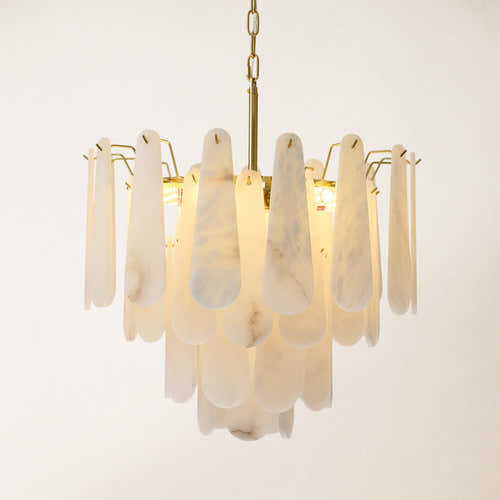


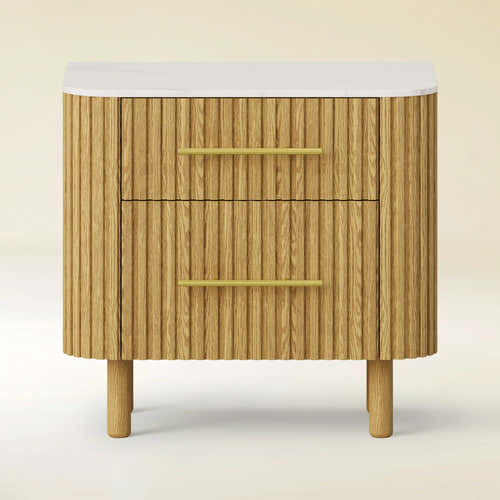









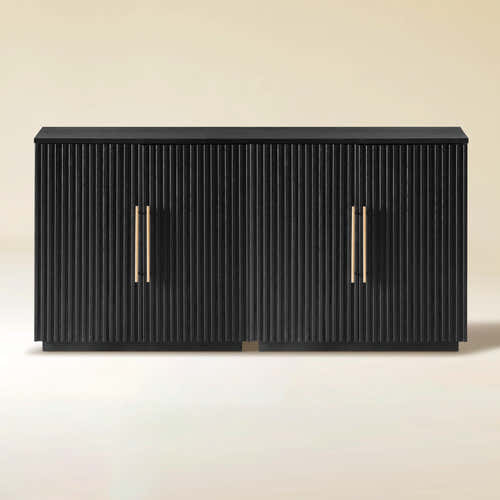


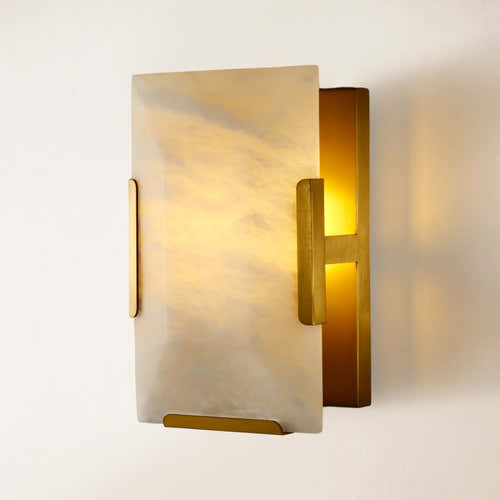


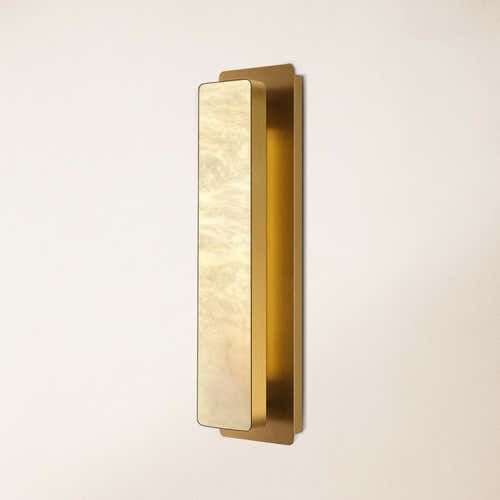


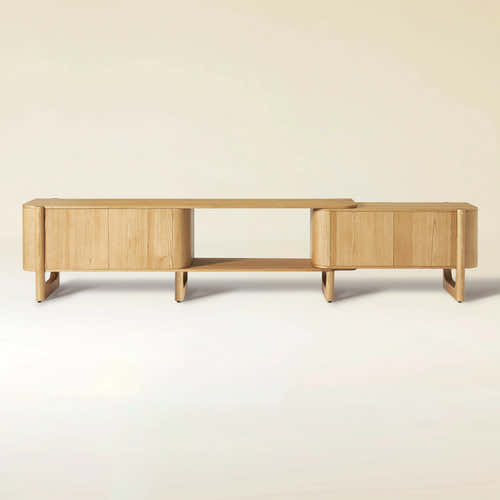








Side tables look small, but the wrong height can ruin comfort and make a room feel “off.” This guide shows you the exact side table height rules designers use—plus room-by-room tips, common mistakes, and a shopping checklist to help you choose a piece that looks refined and works in real life.
Quick Answer: How Tall Should a Side Table Be?
For most homes, the ideal side table height is 18–24 inches. The most reliable rule is to choose a side table that’s the same height as your sofa seat (or up to 2 inches higher).
Side table height ≈ sofa seat height (or +2")
If you’re between sizes, go slightly taller for easier reach.
Living room side table height
18"–24" is the sweet spot for sofas and standard seating.
Bedside side table height
24"–30" is common depending on your mattress height and frame.
The “perfect” height isn’t one universal number—it’s the number that feels effortless every day. Think about how you actually live: grabbing a drink, charging your phone, reaching for a book, or using your side table as a landing zone for daily essentials.
The Golden Rule: Match the Seat Height (Plus a Small Buffer)
Side tables are built for one thing: easy reach. A table that’s too low makes you lean forward. Too tall makes you lift your shoulder every time you set something down. Designers keep it simple:
- Equal to seat cushion height of your sofa/chair, or
- Up to 2 inches higher than the seat cushion height.
How to measure seat height correctly
- Measure from the floor to the top of the seat cushion.
- Measure where you sit most often (cushions compress differently).
- Use “normal use” cushion height—not freshly fluffed height.

Example: If your sofa seat is 19" tall, your ideal table height range is roughly 19–21".
Side Table Height Next to a Sofa
In the living room, side tables sit beside your main seating—so they need to feel natural. The goal is to place your items (drinks, remotes, books) without shifting your posture.
The best height range for most sofas
Most modern sofas have a seat height between 17–20 inches. That’s why most living room side tables land between 18–24 inches.
| Sofa seat height | Recommended side table height | Best for |
|---|---|---|
| 16"–17" | 16"–19" | Low-profile or lounge-style sofas |
| 18"–19" | 18"–21" | Most modern sofas (everyday comfort) |
| 20"–21" | 20"–23" | Higher seat sofas, firmer cushions |
| 22"+ | 22"–24"+ | Very tall seating or formal rooms |
Should a side table be higher than the sofa arm?
In most cases, no. If your side table rises above the arm by several inches, it can look top-heavy and feel awkward. The exception is when you’re pairing the table with a lamp and need a bit more height for the shade to sit comfortably.
Sit down and pretend you’re setting a mug on the table.
If you’re bending forward, the table is too low. If your shoulder lifts up, it’s too tall.
Want a side table that feels right next to your sofa?
Explore HOULTE’s curated side tables—clean lines, stable support, and materials that elevate modern living rooms.
Side Table Height Next to an Accent Chair
Accent chair setups are where side tables become the hero. Reading corner, coffee + book moment, or a small apartment lounge—this is all about comfort and reach.
Best height range for chair-side tables
- 18"–22" for most accent chairs and reading chairs
- 22"–26" if your chair sits higher or you prefer upright posture
Here’s the nuance: many accent chairs have slimmer arms or no arms at all. That means the side table acts like your “armrest substitute,” so the right height becomes even more noticeable.
Side Table Height Next to a Bed (Bedside Table Rules)
In a bedroom, the side table height should support what you do at night: water, glasses, phone alarm, reading light, book stack, or a small tray for essentials.
Use the right bed measurement
Measure to the top of the mattress (where you sleep). Then choose a table that is:
- Equal to mattress height, or
- Up to 2–4 inches lower (many people prefer slightly lower while lying down)
| Mattress height | Recommended table height | Best for |
|---|---|---|
| 20"–22" | 18"–22" | Low frames, minimalist bedrooms |
| 23"–26" | 22"–26" | Most modern beds |
| 27"–30"+ | 24"–30" | Tall mattresses and higher frames |
Your bedside table should align with your mattress height so you can grab your phone or water without sitting all the way up.
Height vs Size vs Placement: The “Comfort Triangle”
Height is the headline—but the best side table feels effortless because three things work together: height (reach), surface size (function), and placement (movement).

1) Height (reach)
Match seat height (or slightly higher) so your hand lands naturally.
2) Surface size (function)
Big enough for daily essentials: mug + phone + remote + small dish.
3) Placement (movement)
Place the table close enough to reach—but not so close it crowds your knees. A good starting point is 2–4 inches from the sofa or chair.
Round vs square: which shape feels easier?
Round side tables often feel better in tight spaces because they reduce sharp corners and improve flow. They’re especially useful in smaller living rooms, homes with kids, or walkways near seating.
7 Common Side Table Height Mistakes (And Fixes)
Side tables are easy to buy, but surprisingly easy to get wrong. Here are the most common mistakes (and how to avoid them).
1) Choosing based on looks only
A low table may look modern, but if you use it daily, comfort comes first. Measure your seat height and shop style within that range.
2) Going too low because it’s “trendy”
If your sofa seat is 20", a 14" table will feel like a floor shelf. Keep it within ±2" of your seat height.
3) Buying too tall to “feel substantial”
Extra height can block sightlines and make the seating zone feel cramped. Choose a stable, well-made piece with enough surface instead.
4) Forgetting your posture
Loungers and upright sitters need different heights. Test your real posture before deciding.
5) Ignoring lamp pairing
If you’re adding a lamp, table height affects how the lighting feels. Treat table + lamp as one design decision.
6) Surface too small for daily items
Height can be perfect—but if you can’t fit a drink and a phone comfortably, it won’t work in real life.
7) Wobbly construction (especially on rugs)
Stability matters. The best height won’t save a table that shifts every time you set down a mug.
Room-by-Room Height Recommendations
Different rooms come with different routines. Use these ranges to choose confidently:
Living room (main sofa)
- Target: seat height to 2" higher
- Best range: 18"–24"
- Best for: drinks, remotes, everyday use
Reading nook (accent chair)
- Target: chair seat height to slightly higher
- Best range: 18"–22"
- Best for: books, tea, charging
Bedroom (bedside)
- Target: mattress top or 2–4" lower
- Best range: 22"–30"
- Best for: water, lamp, nighttime essentials
Small apartment / studio
If one table has to do everything (sofa-side today, bedside tomorrow), aim for a balanced middle height: about 20"–23". Round silhouettes also make tight spaces feel smoother and safer.
Side Table Shopping Checklist (Get the Height Right Every Time)
This checklist takes two minutes—and saves years of frustration.
- Measure your sofa seat height: floor to top of cushion.
- Pick a target range: seat height to +2".
- Check sofa arm height: helpful visual “cap” for balance.
- Confirm surface size: mug + phone + remote should fit comfortably.
- Plan placement: 2–4" from the sofa/chair, keep knee clearance.
- Think safety: rounded edges help in high-traffic spaces.
- Prioritize stability: especially if you have rugs or kids.
If your room is still in progress, don’t overthink. Start with comfort and function. Styling can be refined with books, a candle, or a small tray later.
HOULTE Side Tables: Style + Function for Modern Living
If you want a side table that feels elevated but still works for real life—daily drinks, daily charging, effortless reach—HOULTE’s curated side table collection is designed for that balance. Clean lines, stable construction, and premium-feeling materials help your space look finished without clutter.

Ready to choose a side table that fits your sofa perfectly?
Browse HOULTE Side Tables for modern pieces designed to feel balanced, stable, and effortless to use.
Quick buying guide: pick your “best match”
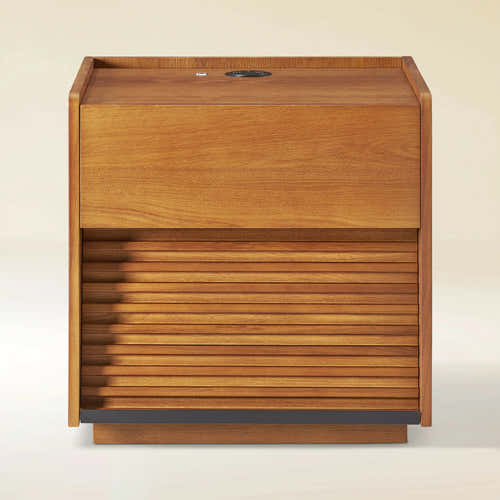
- Warm + timeless: wood tones that soften modern rooms.
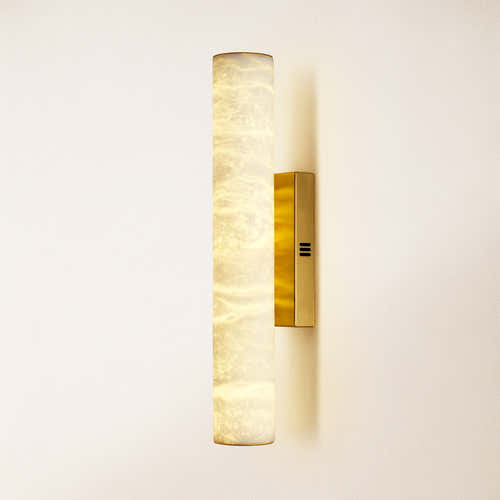
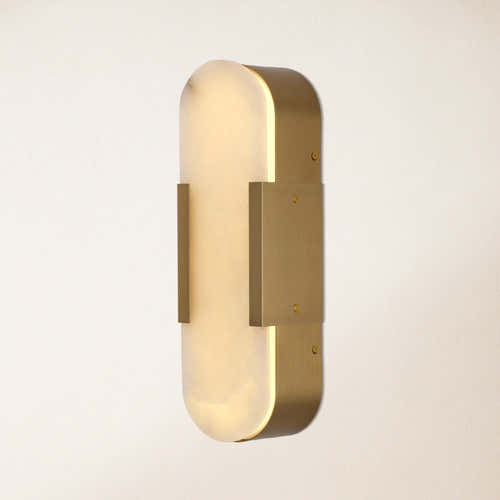
- Sleek + architectural: stone-like surfaces that feel clean and premium.
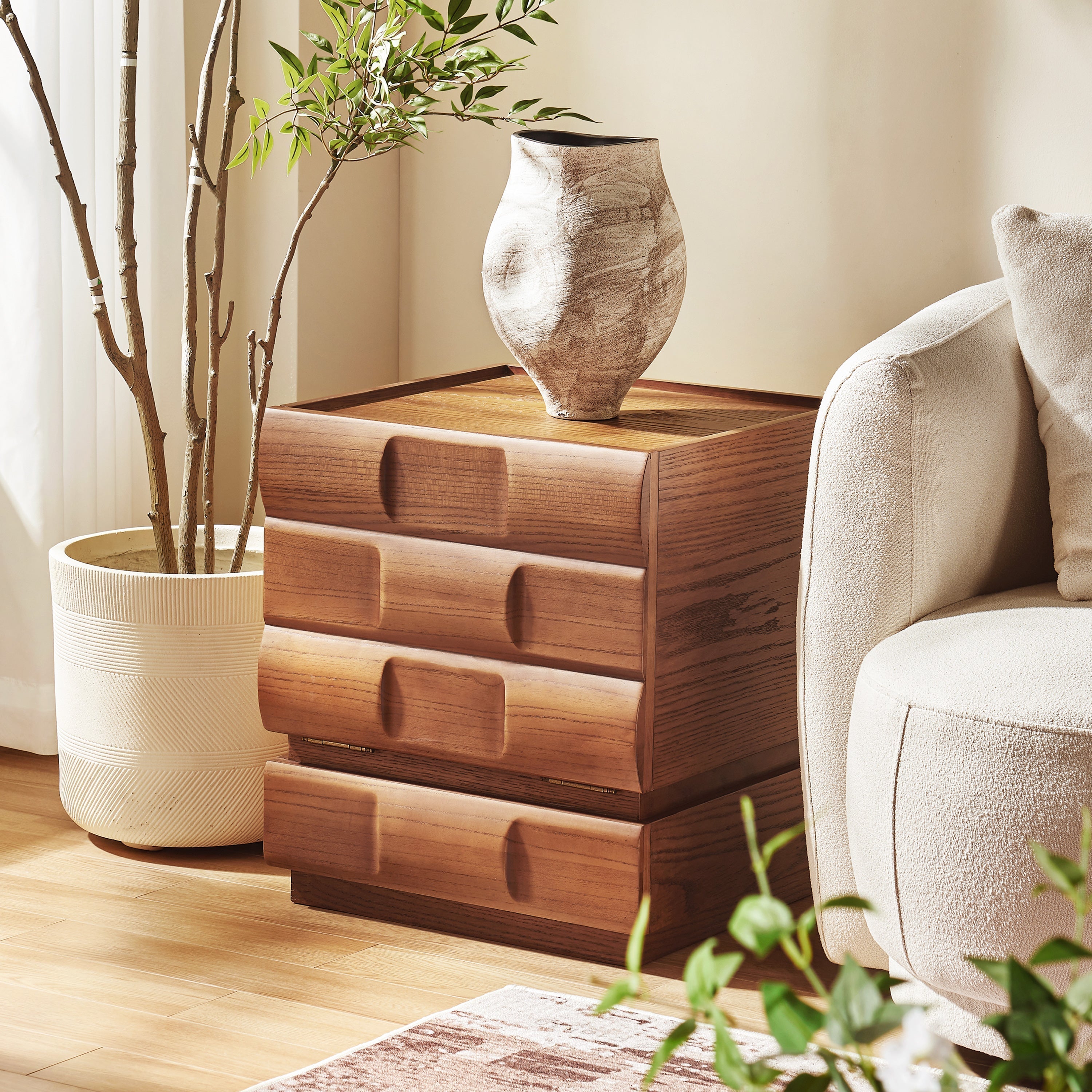
- Sculptural statement: textured forms that add depth without visual noise.
When you choose the right height, the side table becomes invisible in the best way: it’s always in reach, always steady, and makes the entire seating zone feel more intentional.
FAQ: How Tall Should a Side Table Be?
How tall should a side table be next to a sofa?
A side table next to a sofa should usually be the same height as the sofa seat, or up to 2 inches higher. For most living rooms, that lands around 18–24 inches, which feels comfortable for drinks, phones, and remotes.
Is it better for a side table to be higher or lower than the sofa arm?
In most rooms, it’s better for a side table to be no higher than the sofa arm, or only slightly higher. A table that’s much taller can feel awkward and visually heavy. If you plan to use a lamp, a slightly taller table can work as long as it stays within easy reach.
What is the standard side table height?
Standard side table height is typically 18 to 24 inches. This range matches most modern sofa seat heights, making it a comfortable choice for everyday living rooms.
How tall should a side table be next to an accent chair?
Next to an accent chair, a side table should generally match the chair seat height or sit slightly higher, usually around 18–22 inches. If the chair is taller or you sit more upright, a 22–26 inch table may feel better.
How tall should a bedside side table be?
For bedside use, choose a side table that is about the same height as the top of your mattress, or up to 2–4 inches lower. Many bedrooms land between 24 and 30 inches, depending on bed and mattress height.
How close should a side table be to the sofa?
Place a side table about 2–4 inches from the sofa or chair. This keeps it easy to reach without crowding your seating area. Adjust slightly based on surface size and walking clearance.
Want a side table that feels balanced, stable, and easy to live with? Explore the collection here: HOULTE Side Tables.
Share:
How Far Should a Coffee Table Be From a Couch? (12–18 Inch Rule)
How to Store an Artificial Tree (Without Flattening It)