

















































FSC FCOC47059 . FSC is dedicated to the promotion of responsible forest management
worldwide. By selecting this product, you help take care of the woorld's forests

UL-certified for indoor drying environments not directly exposed to excessive moisture or water;
Use in the United States and Canada.

Certified to Dry ETL electrical standard: suitable for use indoors in dry locations not directly exposed to excessive moisture and water
Use in the United States

CE-certified drying equipment compliant with electrical standards: Suitable for indoor drying environments not directly exposed to excessive moisture or water;
Tested for use in Europe, the UK, and other regions.


The support center has answers to questions you may have. You can also contact customer service in the support center if you can't find what you're looking for.
Support Center >
At houlte, we are committed to delivering quality, style, and great value to our customers. Our goal is to simplify your shopping experience by providing competitive prices and exceptional service.

If an item you purchased from houlte goes on sale on our website within 30 days of your purchase date, you may request a price match. This policy ensures you always receive the best value when shopping with us.
Houlte reserves the right to interpret and adjust the terms of the Price Match Policy as necessary.
Houlte has partnered with Taskrabbit to make your everyday life at home easier by connecting you with flexible and affordable ways to get your to-do’s done including furniture assembly and mounting.

1. Purchase your furniture at Houlte.
2. Check your order Dispatched and Delivered email and click the
Houlte link. You will be redirected to Taskrabbit's landing page.
3. Post your task on Taskrabbit platform.
4. Pick the best tasker to assemble your furniture.
Houlte has partnered with Taskrabbit to make your everyday life at home easier by connecting you with flexible and affordable ways to get your to-do’s done including furniture assembly and mounting.
Taskrabbit Assembly is available in most metro areas in the US. The availability of Taskers varies based on demand. When placing an order on Taskrabbit, you will need to enter your zip code. If the service is not supported in your area, you will not be able to place an order.
You can book assembly for your Houlte furniture as early as the next day after your delivery, and up to 14 days in advance, giving you flexibility to choose a time that works best for you.

Ready to use out of the box; minimal installation may be required (e.g., handles).

Main structure is pre-built; minor components require attachment (e.g., legs).

Assembly required; multiple parts must be assembled before use.
Our furniture is built with a combination of core boards, real wood veneers, and selected solid wood parts. Each material is used for a different purpose—structure, surface appearance, or visible strength—so the final piece feels balanced in performance, finish, and cost.
Core boards form the internal foundation of the furniture. They provide structure, stability, and efficiency across large surfaces and cabinet bodies.

Stable structural board

Smooth and consistent

Functional internal board
Selected solid wood parts are used where visible strength, tactile quality, and structural integrity matter most—such as legs, frames, trim, and exposed support details.

Durable and classic

Light and versatile

Premium and elevated
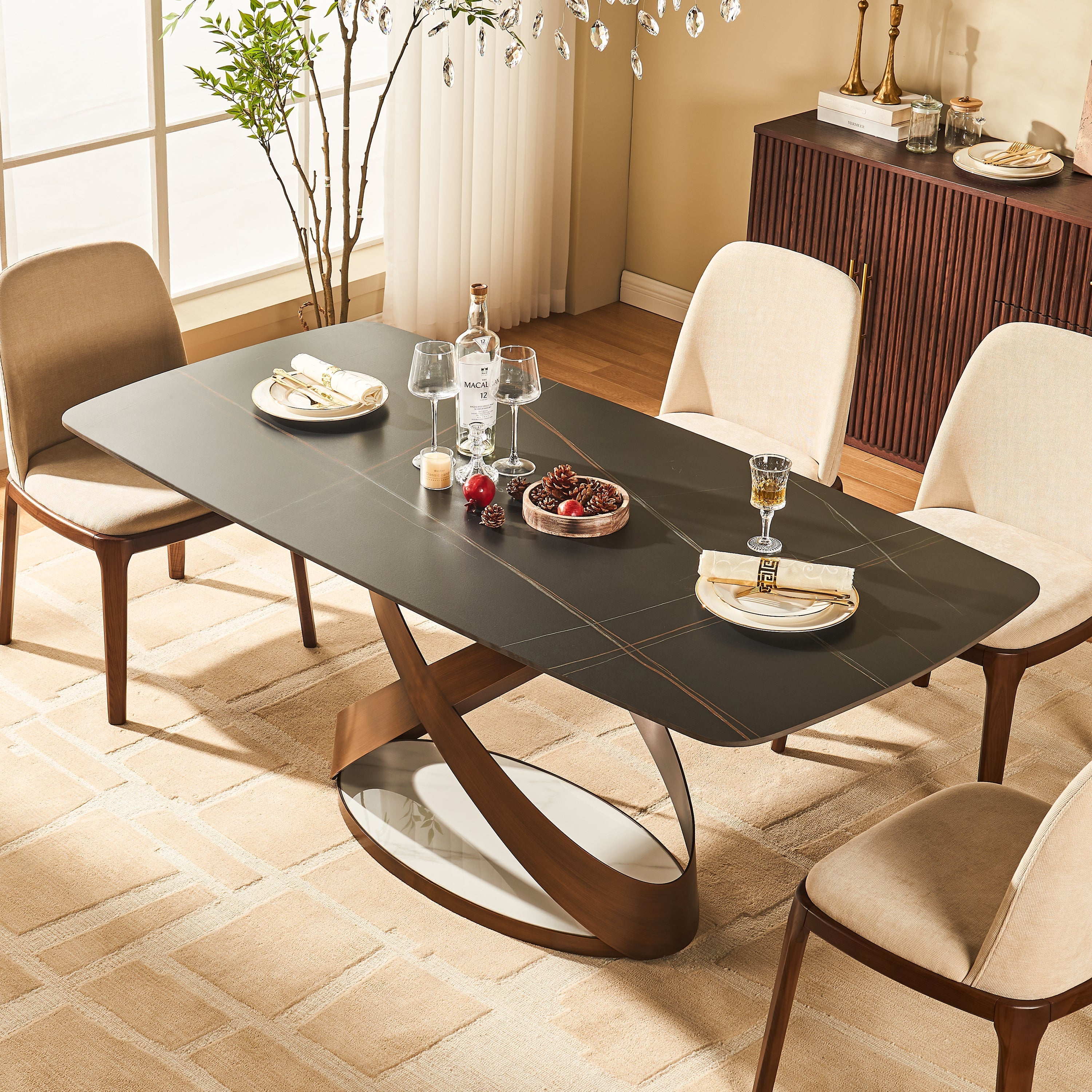
Your dining table is one of the most frequently used surfaces in your home. From family meals and coffee breaks to homework sessions and weekend gatherings, it experiences constant contact with food, drinks, and everyday objects.
Because of this heavy use, proper dining table cleaning and maintenance is essential. Regular care not only keeps your table looking beautiful but also extends its lifespan and protects the material from long-term damage.
Whether your table is made from sintered stone, solid oak, engineered wood, or other materials, understanding the right cleaning methods will help you preserve its appearance for many years.
If you're considering upgrading your dining space, you can explore our collection here:

A dining table is a high-touch surface that collects more than just crumbs. Over time, oils from hands, spills, dust particles, and microscopic debris can accumulate and damage the surface if not cleaned regularly.
Proper maintenance provides several important benefits:
Developing simple cleaning habits ensures your dining table remains both functional and beautiful.
Before cleaning your table, it's important to understand what material it is made from. Different surfaces react differently to moisture, chemicals, and friction.
| Material | Durability | Cleaning Difficulty | Common Risks |
|---|---|---|---|
| Sintered Stone | Very High | Easy | Chipping on edges if hit |
| Solid Oak | High | Moderate | Water rings and scratches |
| Engineered Wood | Medium | Easy | Water damage at edges |
| Glass | Medium | Easy | Fingerprints and smudges |
| Marble | Medium | Difficult | Staining and etching |
Choosing the right cleaning approach depends heavily on these material differences.
The easiest way to maintain your table is to build a quick daily routine after meals.
Start by clearing plates and gently brushing away crumbs with your hand or a soft cloth.
Use a slightly damp microfiber cloth to wipe the entire table surface.
If grease is present, add a small drop of mild dish soap diluted with water.
Always dry the table with a clean cloth. Standing moisture can cause stains, especially on wood tables.
Quickly check for sticky spots or dried liquids. Cleaning them immediately prevents long-term staining.
This simple routine typically takes less than two minutes but dramatically improves table longevity.
Once a week, it is helpful to perform a slightly more thorough cleaning.
These areas often collect oils and dust that regular wiping might miss.

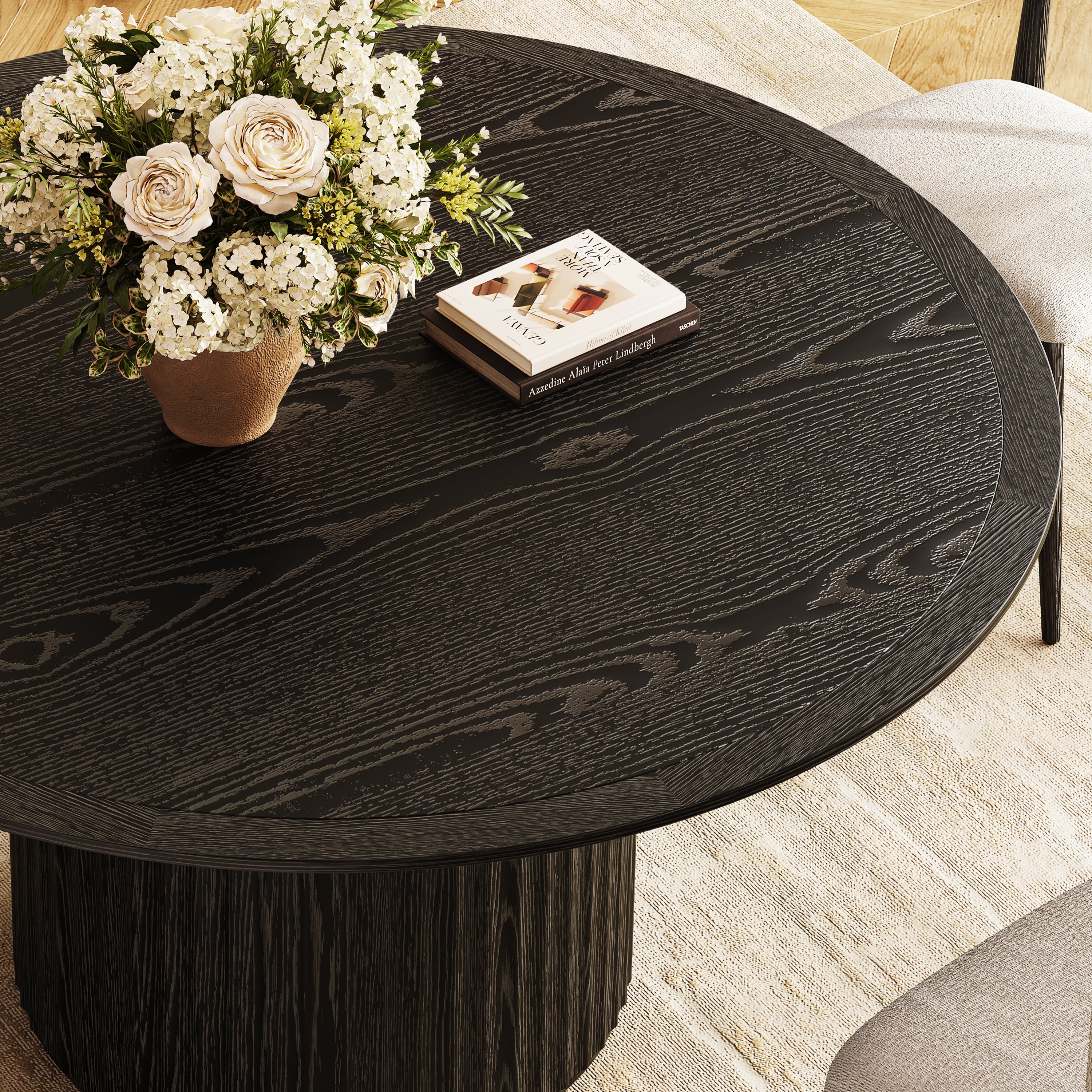
Solid oak dining tables are durable but require careful cleaning to protect the natural wood finish.
Follow these steps:
Occasionally applying wood conditioner helps maintain the natural color and prevents drying or cracking.

Sintered stone is one of the most durable dining table materials available today.
Its non-porous structure makes it extremely resistant to stains and bacteria.
Cleaning sintered stone tables is simple:
Unlike marble, sintered stone does not require sealing.
| Cleaning Tool | Best For | Safe For Wood | Safe For Stone |
|---|---|---|---|
| Microfiber Cloth | Daily wiping | Yes | Yes |
| Mild Dish Soap | Grease removal | Yes | Yes |
| Glass Cleaner | Glass surfaces | No | Sometimes |
| Disinfecting Wipes | Sanitizing | Use carefully | Yes |
Some cleaning habits can accidentally damage your dining table.
Avoiding these mistakes will significantly extend the life of your table.
Prevention is the best maintenance strategy.
Prevent water rings from drinks.
Protect surfaces from scratches and heat.
Strong sunlight can cause fading on wood surfaces.
Felt pads under decorations prevent micro-scratches.
| Task | Frequency |
|---|---|
| Quick wipe after meals | Daily |
| Full surface cleaning | Weekly |
| Deep cleaning | Every 1–3 months |
| Wood conditioning | Every 6 months |
Maintaining a clean dining table doesn't require complicated routines. Simple daily habits, occasional deep cleaning, and proper protective accessories will keep your table looking beautiful for years.
Whether you own a durable sintered stone dining table or a timeless solid oak dining table, consistent care ensures your dining space remains welcoming for family and guests.
If you're looking to upgrade your dining area with a durable and stylish table, explore our collection:
You should wipe your dining table daily after meals and perform a deeper cleaning every one to three months depending on usage.
Disinfecting wipes are generally safe for sealed stone and laminate surfaces but should be used cautiously on wood finishes.
Sintered stone is one of the easiest materials to maintain because it is scratch resistant, stain resistant, and non-porous.
Use coasters for drinks and wipe spills immediately. Applying wood conditioner periodically also helps protect the finish.



Share:
TV Stands With Cabinets vs Open Shelves: Which Is Better for Your Living Room?
How to Get Blood Out of a White Linen Sofa (Fresh & Dried Stains)