















































FSC FCOC47059 . FSC is dedicated to the promotion of responsible forest management
worldwide. By selecting this product, you help take care of the woorld's forests

UL-certified for indoor drying environments not directly exposed to excessive moisture or water;
Use in the United States and Canada.

Certified to Dry ETL electrical standard: suitable for use indoors in dry locations not directly exposed to excessive moisture and water
Use in the United States

CE-certified drying equipment compliant with electrical standards: Suitable for indoor drying environments not directly exposed to excessive moisture or water;
Tested for use in Europe, the UK, and other regions.


The support center has answers to questions you may have. You can also contact customer service in the support center if you can't find what you're looking for.
Support Center >
At houlte, we are committed to delivering quality, style, and great value to our customers. Our goal is to simplify your shopping experience by providing competitive prices and exceptional service.

If an item you purchased from houlte goes on sale on our website within 30 days of your purchase date, you may request a price match. This policy ensures you always receive the best value when shopping with us.
Houlte reserves the right to interpret and adjust the terms of the Price Match Policy as necessary.
Houlte has partnered with Taskrabbit to make your everyday life at home easier by connecting you with flexible and affordable ways to get your to-do’s done including furniture assembly and mounting.

1. Purchase your furniture at Houlte.
2. Check your order Dispatched and Delivered email and click the
Houlte link. You will be redirected to Taskrabbit's landing page.
3. Post your task on Taskrabbit platform.
4. Pick the best tasker to assemble your furniture.
Houlte has partnered with Taskrabbit to make your everyday life at home easier by connecting you with flexible and affordable ways to get your to-do’s done including furniture assembly and mounting.
Taskrabbit Assembly is available in most metro areas in the US. The availability of Taskers varies based on demand. When placing an order on Taskrabbit, you will need to enter your zip code. If the service is not supported in your area, you will not be able to place an order.
You can book assembly for your Houlte furniture as early as the next day after your delivery, and up to 14 days in advance, giving you flexibility to choose a time that works best for you.

Ready to use out of the box; minimal installation may be required (e.g., handles).

Main structure is pre-built; minor components require attachment (e.g., legs).

Assembly required; multiple parts must be assembled before use.
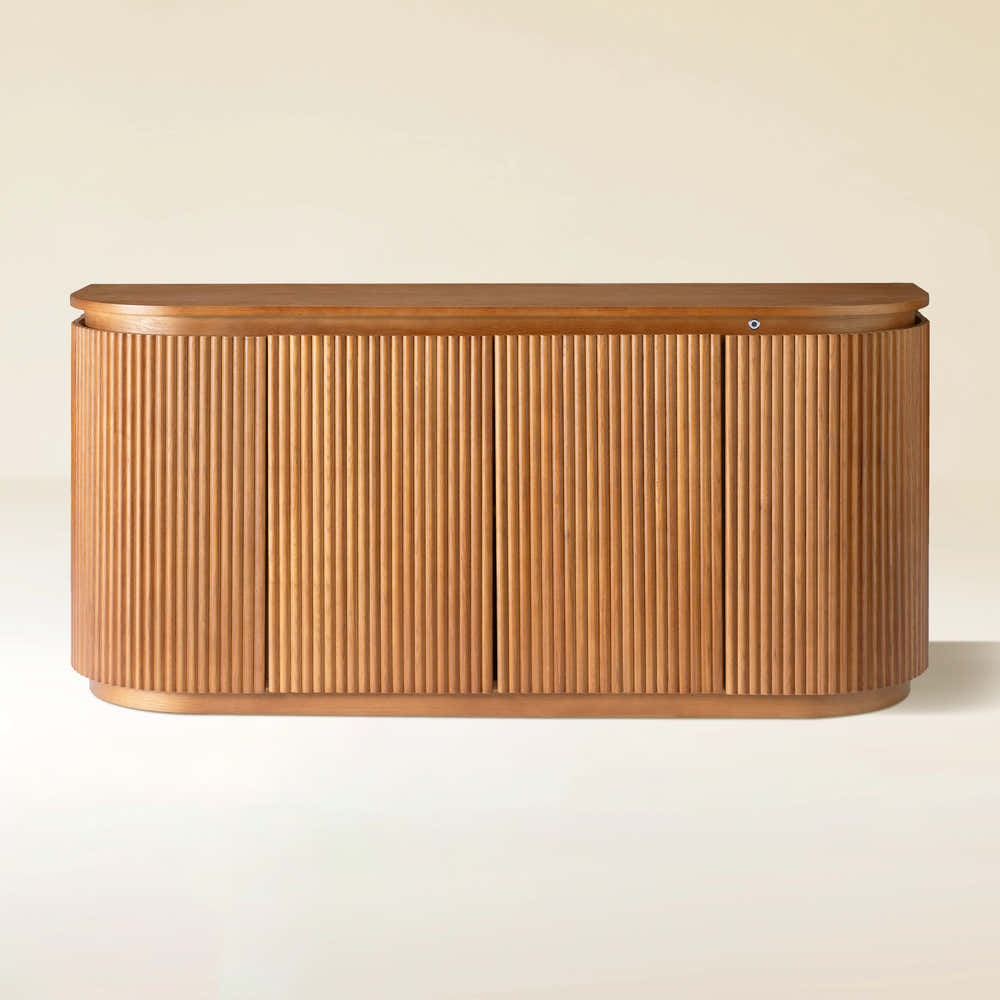
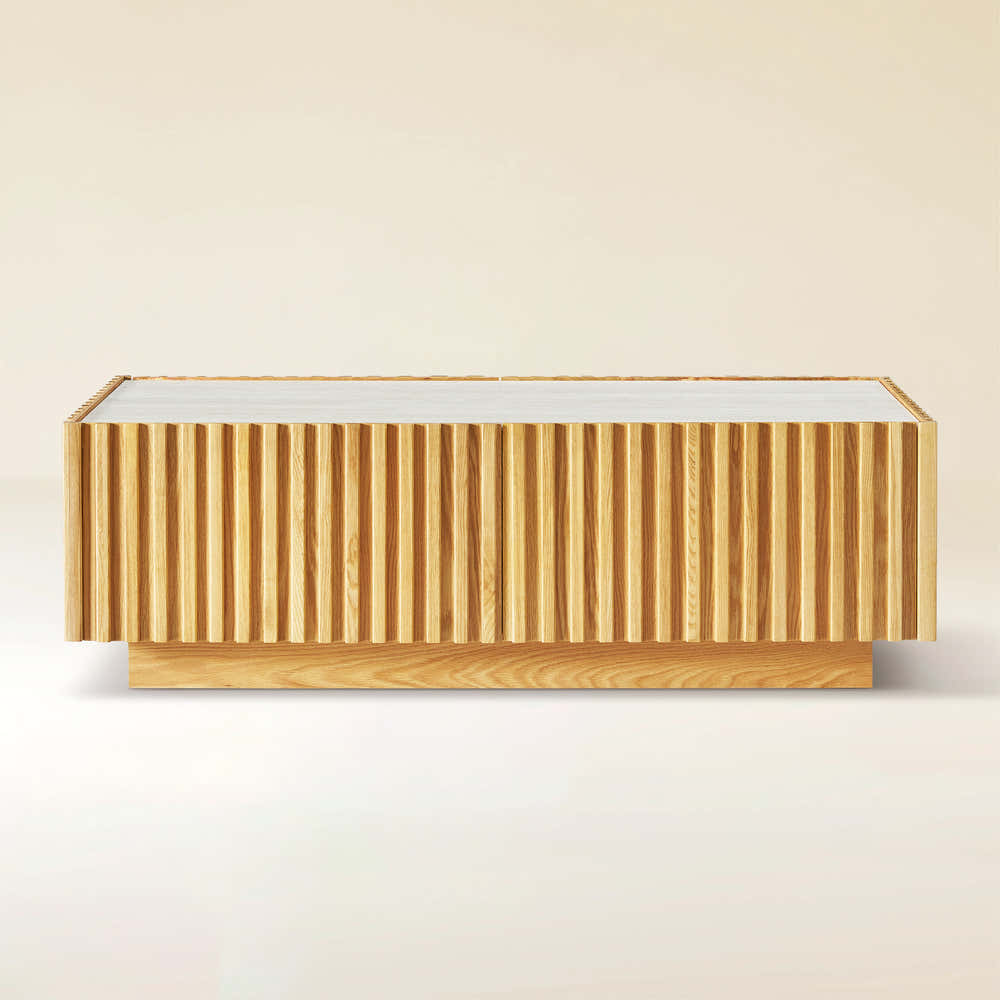
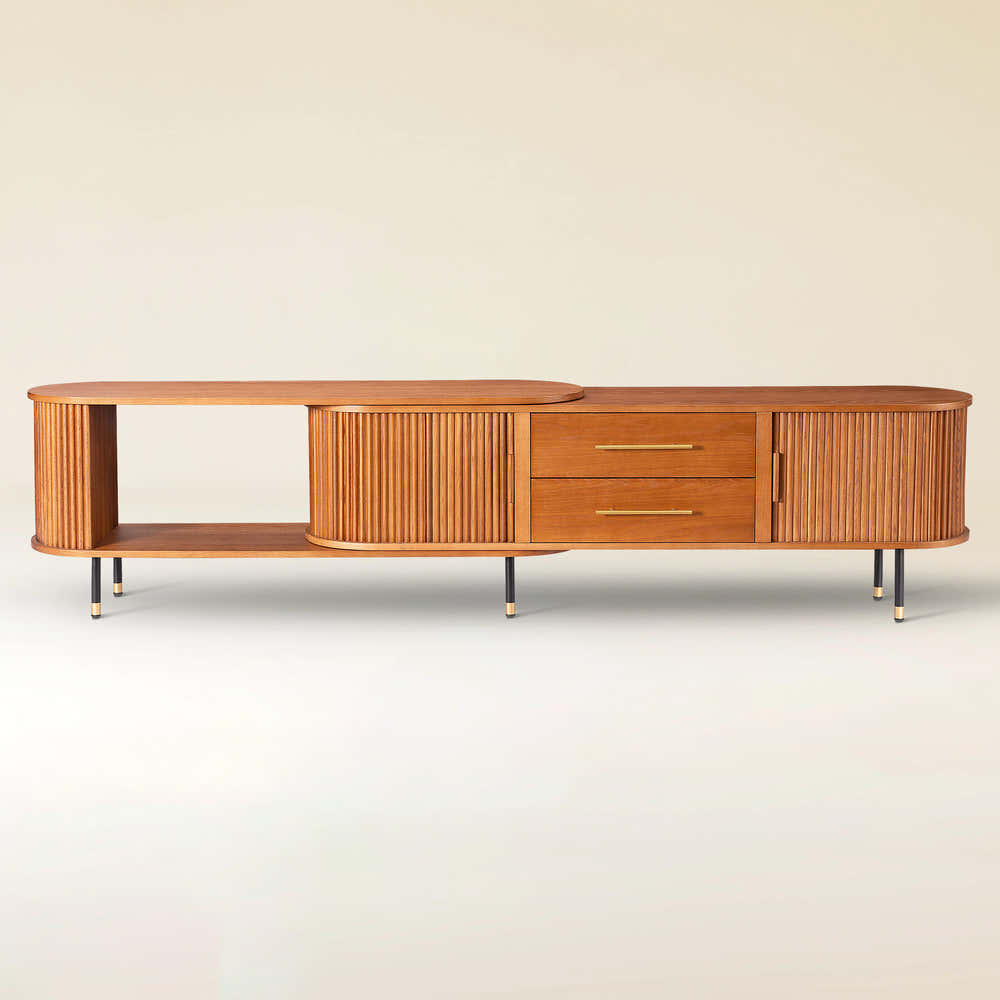
Our furniture is built with a combination of core boards, real wood veneers, and selected solid wood parts. Each material is used for a different purpose—structure, surface appearance, or visible strength—so the final piece feels balanced in performance, finish, and cost.
Core boards form the internal foundation of the furniture. They provide structure, stability, and efficiency across large surfaces and cabinet bodies.

Stable structural board

Smooth and consistent

Functional internal board
Selected solid wood parts are used where visible strength, tactile quality, and structural integrity matter most—such as legs, frames, trim, and exposed support details.

Durable and classic

Light and versatile

Premium and elevated
To clean a fabric sofa without damaging it, follow these 5 core steps:
A beautiful fabric sofa is the soul of your living room, but it is also a magnet for everyday life. From invisible body oils and microscopic dust mites to accidental coffee spills and muddy pet paws, your upholstery takes a beating. The moment a spill happens, panic sets in: How do I clean this without leaving a massive, permanent water mark?
Many homeowners inadvertently ruin their expensive sofas by scrubbing aggressively, using harsh household chemicals, or soaking the cushions with tap water. The truth is, effective upholstery cleaning is more about chemistry and technique than brute force.
In this comprehensive masterclass, we will decode the cryptic symbols on your sofa’s care tag, break down the exact scientific methods for removing different types of stains (including grease and odors), and explain how to maintain premium fabrics like white linen so they look showroom-new for over a decade.
Before a single drop of cleaner touches your sofa, you must locate the manufacturer’s care tag. Usually found underneath the seat cushions or stapled to the bottom dust cover of the frame, this tag features a letter code (established by the American Home Furnishings Alliance) that dictates exactly what chemicals your fabric can survive.
Ignoring this code is the number one reason DIY sofa cleaning results in irreversible shrinking, color bleeding, or texture damage.
| Care Code | Meaning & Chemistry | Safe DIY Approach | What Will Ruin It (WARNING) |
|---|---|---|---|
| W | Water-Based Cleaners. The fabric is colorfast and will not shrink when exposed to water. | Distilled water mixed with mild, non-bleach dish soap. Steam cleaners are usually safe. | Using dry-cleaning solvents can dissolve the fabric's backing. |
| S | Solvent-Based Cleaners. Requires dry-cleaning chemicals. Common on natural fibers like organic cotton or vintage velvet. | Water-free dry cleaning solvents (like Rubbing Alcohol or specific commercial solvent sprays). Ensure high ventilation. | Any water. Water will cause immediate shrinkage, permanent water rings, and color bleeding. |
| WS | Water or Solvent. A versatile blend. You can use mild water-based or solvent-based cleaners. | Start with a mild water-based foam. If the stain persists, switch to a solvent. Always spot test. | Saturating the cushion deeply. Keep moisture strictly on the surface layer. |
| X | Vacuum Only. Extremely delicate fabric (often silks or highly textured chenille without backing). | Soft-bristle brushing and high-suction vacuuming only. | Any liquid. Liquid will permanently destroy the fabric. Call professionals for stains. |
Most people skip straight to the wet spray bottle when they see a dirty couch. This is a massive mistake. When you apply water to a dusty couch, you are essentially creating mud. This mud sinks deep into the high-resilience foam, leaving a permanent dingy look once it dries.
Step-by-Step Dry Extraction:
Not all stains are created equal. Treating a grease stain with water will only spread it, and using hot water on a biological stain will cook the proteins directly into the fabric.
Requirement: "W" or "WS" Code
For dark liquids, time is of the essence. First, blot—never rub—the spill with a clean, dry white microfiber cloth to absorb as much liquid as possible. Rubbing pushes the dye deeper into the fibers and causes "pilling" (fuzz balls on the fabric surface).
The Recipe: Mix 1 cup of distilled water, 1 tablespoon of white vinegar, and 1 teaspoon of mild, clear dish soap. Why distilled water? Tap water contains minerals (calcium, magnesium) that are left behind when the water evaporates, creating those dreaded brown "water rings." Dampen a cloth with the foam of this mixture, blot the stain from the outside in (to prevent spreading), and wipe away residue with a separate cloth dampened only with distilled water.
Requirement: "S" or "WS" Code
Oil repels water, so standard soap struggles here. The secret is dry absorption. Cover the oil stain completely with baking soda or cornstarch. Let it sit for at least 45 minutes. The powder will physically draw the lipids (fats) out of the fabric weave. Vacuum up the powder. If a shadow remains, use a few drops of dry-cleaning solvent (like rubbing alcohol) applied to a cloth, and blot gently.
Requirement: "W" or "WS" Code
Never use hot water or bleach. You need an enzymatic upholstery cleaner. Enzymes are active biological proteins that literally "eat" the odor-causing bacteria and organic matter. Spray the enzymatic cleaner onto the stain, let it sit for the time specified on the bottle (usually 15 minutes to allow the enzymes to work), and blot it dry. This is the only way to permanently stop a sofa from smelling like wet dog.
You successfully removed the stain, but a day later, a massive brown ring appears around the area you cleaned. This is caused by wicking. As the surface dries, the moisture deep inside the cushion evaporates upward, carrying dirt and minerals to the surface.
How to avoid water rings:
White fabric sofas are the pinnacle of modern, elegant interior design. Yet, millions of homeowners avoid them out of a deep-seated fear of stains. At Houlte, we believed that you shouldn't have to compromise on your dream aesthetic just because you have children, pets, or a penchant for drinking red wine on the couch.

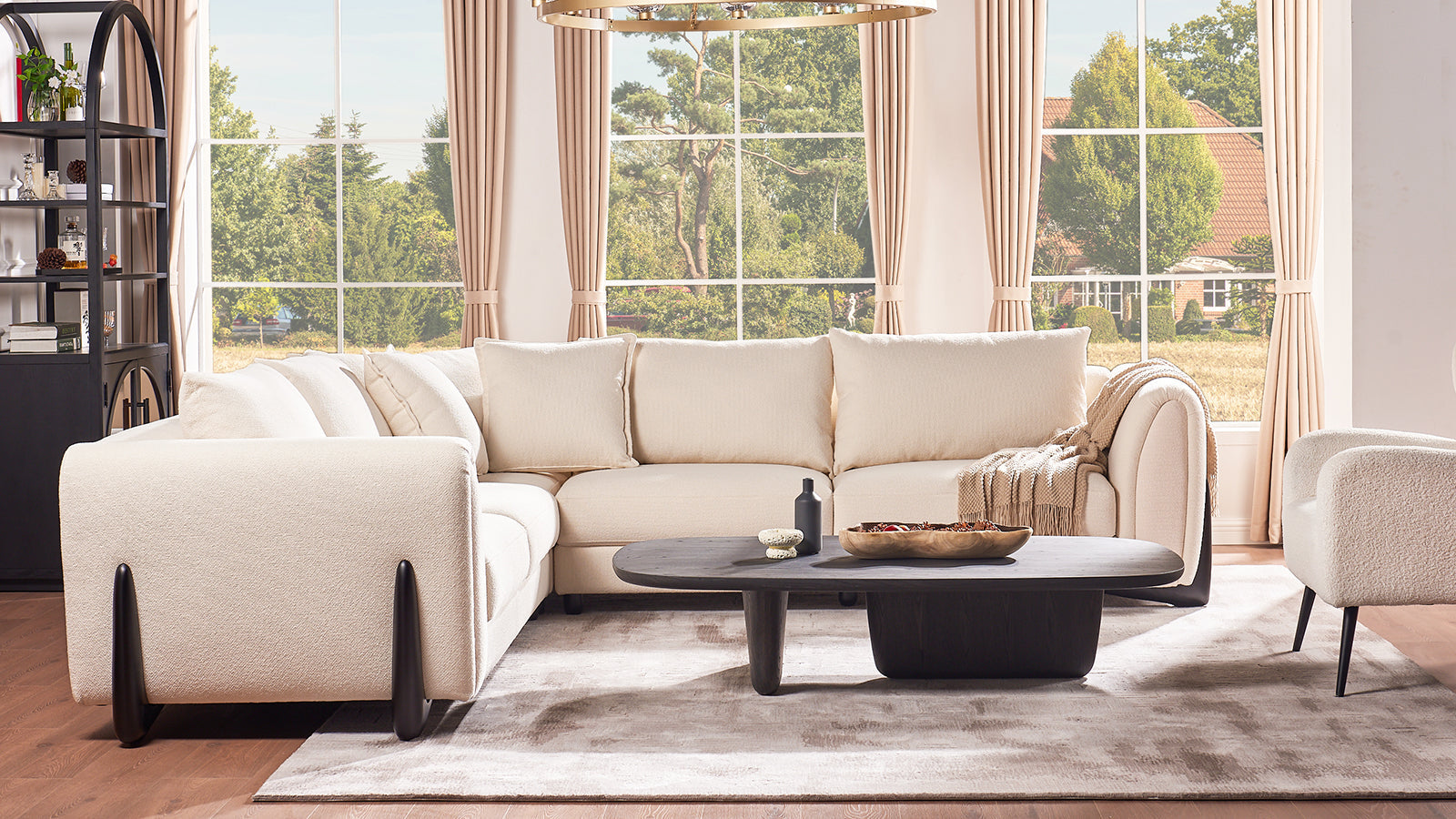
The Houlte Modular Sofa: Premium breathable white linen engineered for real life.
We engineered our signature modular sofas specifically to solve the upholstery cleaning nightmare:

Tightly woven premium linen resists dirt embedding, making weekly vacuuming highly effective.
If you wait until your sofa looks dirty to clean it, you have waited too long. Fabric fibers act like a filter, trapping airborne dust and oils. To extend the life of your couch and make deep cleaning easier, follow this professional maintenance schedule:
Learning how to clean a fabric sofa doesn't have to be a high-stakes guessing game. By understanding your fabric's specific chemical needs (through the care code), mastering the art of dry extraction, and using the right solutions for the right stains, you can maintain a pristine living room indefinitely.
Remember, the best defense against a dirty sofa is choosing the right furniture from the start. Opting for high-quality fabrics, robust internal foams, and intelligent modular designs—like the collections offered by Houlte—ensures that your sofa is not just beautiful on day one, but remains a clean, welcoming haven for years to come.
If your sofa already has a water ring from a previous cleaning attempt, you need to re-wet the entire panel (e.g., edge-to-edge of that specific cushion) lightly with distilled water. Use a microfiber cloth to blend the hard edges of the ring. Then, use a fan to dry the entire cushion rapidly and evenly. The key is preventing the moisture from evaporating at different speeds.
You can only use a carpet cleaning machine or portable upholstery extractor if your sofa's care code is "W" or "WS". Never use it on an "S" or "X" code fabric. Furthermore, ensure you use an upholstery-specific formula, as standard carpet shampoo is too concentrated and will leave a sticky residue on your couch that attracts dirt.
White linen requires a gentle touch. Always vacuum first. For spots, use a mixture of distilled water and a drop of clear, bleach-free detergent. Blot gently—do not scrub, as linen can pill or warp under friction. Because it is white, ensure any cloths you use are completely colorfast (preferably white microfiber) to prevent dye transfer.
No, dry baking soda is completely safe for almost all fabric types (W, S, WS). It is an excellent, natural odor absorber and helps lift grease stains without using moisture. However, ensure you vacuum it up completely using a high-suction attachment so it does not settle permanently into the underlying foam.



Share:
How Long Do Sofas Last? The 2026 Ultimate Lifespan & Replacement Guide
Sintered Stone vs. Oak Dining Tables: The Ultimate 2026 Buying Guide